

Identifying Hidden Fillers in Dog Treats

Table of Contents
- What Are Dog Food Fillers and Why They Matter
- Common Fillers to Avoid in Dog Treats
- How to Read Dog Treat Labels Like an Expert
- Harmful Ingredients in Dog Treats You Should Know About
- Why Manufacturers Use Fillers and Cheap Ingredients
- Best Limited Ingredient Dog Treats for Picky Eaters
- Signs Your Dog May Be Reacting to Fillers
- Frequently Asked Questions
Last Updated: September 18, 2026
What Are Dog Food Fillers and Why They Matter
Dog food fillers are cheap ingredients that add bulk without nutrition. Common fillers include corn, wheat, soy, and by-products that manufacturers use to cut costs.
Fillers can trigger digestive problems, allergies, and weight gain, and are often hidden behind confusing names. We believe dogs deserve treats made with real, recognizable ingredients, not empty calories masked by marketing.
A treat might sound healthy on the front but contain mostly fillers inside. Learning to spot these tricks is worth your time.
Common Fillers to Avoid in Dog Treats
Identifying hidden fillers in dog treats starts with knowing what to look for on the label. Here are the biggest culprits:
Corn and corn by-products (corn meal, corn flour, corn syrup solids) are cheap fillers with no nutritional value for dogs.
Wheat and wheat gluten are fillers many dogs struggle to digest, used to bind treats but adding no nutritional value.
Soy derivatives like soybean meal boost protein numbers on paper but lack bioavailability for dogs.
Meat by-products include leftover animal parts unfit for human consumption. Look for named meat sources like chicken or beef instead.
Sugar and sweeteners (molasses, honey, artificial sweeteners) add empty calories and can lead to obesity and dental problems.
Artificial additives like synthetic dyes, preservatives, and palatability enhancers are red flags.
How to Read Dog Treat Labels Like an Expert
The ingredient list is your best tool for identifying hidden fillers in dog treats. Manufacturers count on you not looking closely.
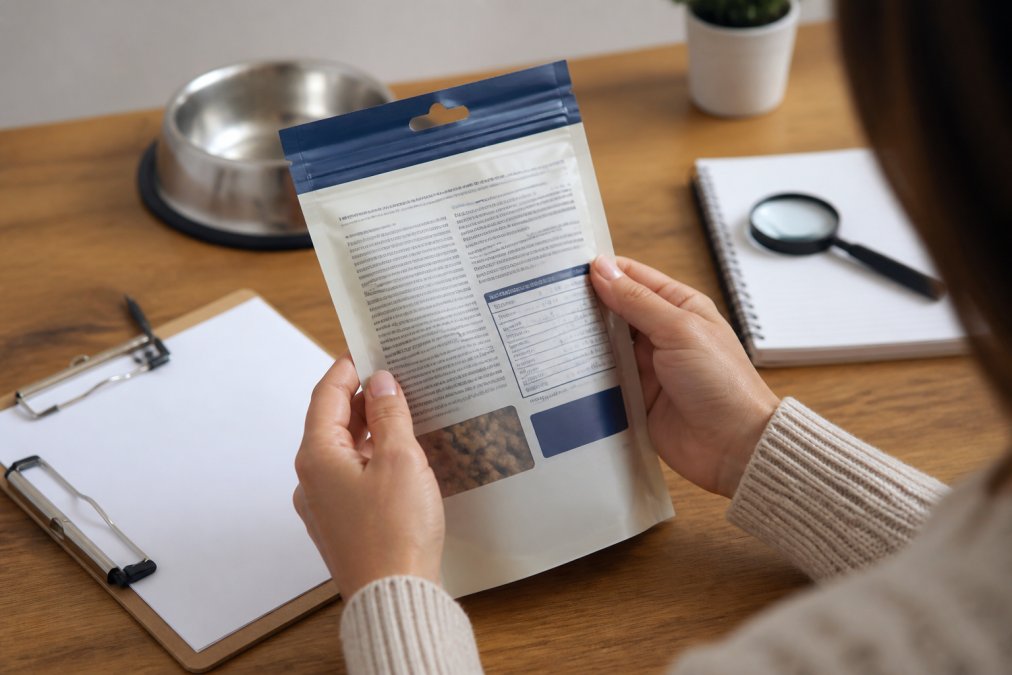
Understanding the Guaranteed Analysis
The guaranteed analysis shows minimum protein, minimum fat, maximum fiber, and maximum moisture. These numbers matter, but they can be misleading.
A treat might claim high protein from cheap soy or corn gluten, but bioavailability is poor, your dog's body can't use most of it. Real protein from meat sources is more digestible.
Fillers like cellulose are listed as fiber but provide no digestive benefit. Functional fiber from vegetables or grains actually helps digestion.
High moisture can indicate cheap fillers that absorb water. Quality treats have lower moisture from concentrated ingredients.
Spotting Ingredient Splitting and Deceptive Naming
Manufacturers use ingredient splitting to hide fillers. The Federal Food, Drug, and Cosmetic Act requires ingredients listed by weight, but doesn't prohibit splitting one ingredient into multiple names. If corn appears as "corn meal," "corn flour," and "corn syrup solids," the combined total might exceed the first ingredient, but each ranks lower individually on the list.
Real-world example: A treat lists chicken, corn meal, wheat gluten, corn flour, soybean meal, corn syrup solids, animal fat, salt. By splitting corn into three entries, each ranks lower individually, but combined corn likely exceeds chicken by weight.
To counter this tactic, look for patterns. If the same ingredient appears multiple times under different forms, add them mentally. Watch for:
- Corn variants: corn meal, corn flour, corn syrup solids, cornstarch, corn gluten meal
- Wheat variants: wheat flour, wheat gluten, wheat middlings, wheat bran
- Soy variants: soybean meal, soy flour, soybean oil
- Meat by-products: meat by-products, poultry by-products, animal by-products (each is vague and interchangeable)
Vague names like "meat by-products" or "animal fat" hide cheap fillers. Specific names like "chicken" or "chicken fat" indicate higher-quality sourcing. AAFCO defines "meat by-products" broadly as animal parts excluding hair, horns, and hooves, allowing manufacturers to use variable, low-cost ingredients without specificity.
"Natural flavoring" or "palatability enhancers" mask low-quality ingredients. "Natural flavoring" can mean meat digest or plant extracts, and manufacturers aren't required to specify which.
Creating Your Own Label Audit Checklist
When shopping, use this framework to evaluate any treat:
-
Identify the first three ingredients. These make up the bulk of the treat. At least one should be a named meat source (chicken, beef, fish, lamb, not "meat" or "poultry").
-
Scan for ingredient splitting. Look for multiple forms of corn, wheat, or soy. If you spot three or more variants of the same ingredient, assume the total content is higher than any single listing suggests.
-
Check the guaranteed analysis protein percentage. If protein is high (above 18%) but the first ingredient is not meat, the protein likely comes from plant sources with lower bioavailability. Cross-reference with the ingredient list.
-
Note the fiber source. Is it from vegetables (pumpkin, sweet potato, peas) or from cellulose and other fillers? Functional fiber sources are named; empty fillers are often vague.
-
Look for transparency in fats and oils. Named sources (chicken fat, fish oil) are preferable to "animal fat" or "poultry fat."
-
Count artificial additives. Artificial colors, synthetic preservatives (BHA, BHT, ethoxyquin), and artificial sweeteners (xylitol) are red flags.
Harmful Ingredients in Dog Treats You Should Know About
Beyond fillers, some ingredients actively harm your dog's health. These go beyond empty calories. Understanding the difference between inert fillers and actively toxic ingredients helps you prioritize which treats to avoid.
Toxic Ingredients That Cause Immediate Harm
Xylitol is an artificial sweetener that is toxic to dogs. Even small amounts, as little as 0.1 grams per kilogram of body weight, can cause liver failure and hypoglycemia. A 10-pound dog can suffer serious harm from a single treat containing xylitol. Always check the sweetener list carefully. Xylitol is sometimes listed under alternative names like "birch sugar" or "wood sugar," though labeling transparency has improved in recent years.
Theobromine (chocolate) is toxic to dogs in doses above 20 milligrams per kilogram of body weight. Dark chocolate and baking chocolate are far more dangerous than milk chocolate. Treats labeled as chocolate-flavored but containing no actual cocoa are safe; real chocolate treats are not.
Onion and garlic powder damage red blood cells and can cause hemolytic anemia. These appear in some savory dog treats and are sometimes hidden under "natural flavoring." Check ingredient lists for these specifically.
Harmful Additives That Damage Health Over Time
Artificial preservatives like BHA (butylated hydroxyanisole), BHT (butylated hydroxytoluene), and ethoxyquin are linked to organ damage and cancer in long-term studies. The FDA permits these in pet food, but many veterinarians recommend avoiding them. Natural preservatives like vitamin E (mixed tocopherols) or rosemary extract are safer alternatives, though they have shorter shelf lives.

Artificial colors like Red 40, Yellow 5, Yellow 6, and Blue 1 serve no nutritional purpose and exist only to appeal to human buyers. Dogs cannot distinguish these colors the way humans do. Some studies suggest artificial dyes may trigger hyperactivity or allergic reactions in sensitive dogs, though evidence is mixed. They are purely marketing.
Rendered fat labeled vaguely as "animal fat" or "poultry fat" is often rancid or oxidized. During rendering, fats are heated to high temperatures, which can produce harmful compounds. Named fat sources like "chicken fat" or "fish oil" indicate the source is known and traceable. Rancid fats can cause digestive upset and may contain harmful peroxides.
Excessive salt (sodium chloride above 1.5% of the treat) can lead to kidney problems, increased thirst, and electrolyte imbalances, especially in senior dogs or those with existing kidney disease. Dogs require far less salt than humans; added salt in treats is purely for palatability.
Meat and bone meal is rendered protein from slaughterhouse waste.
The Filler vs. Functional Ingredient Distinction
Not all non-meat ingredients are harmful. This is a critical nuance most articles miss. Understanding the difference between empty fillers and functional ingredients helps you make informed choices.
Empty fillers add bulk and calories without nutritional benefit:
- Cellulose (plant fiber with no digestive benefit)
- Corn, wheat, and soy (cheap carbohydrates with low bioavailability for dogs)
- Corn syrup solids (pure carbohydrates, no nutrition)
- Meat by-products (low-quality protein with poor digestibility)
Functional ingredients provide real nutritional or health benefits:
- Pumpkin (soluble fiber that aids digestion)
- Sweet potato (carbohydrate with vitamins and minerals)
- Peas and lentils (plant-based protein and fiber)
- Carrots (low-calorie vegetable with dental benefits)
- Fish oil (omega-3 fatty acids for coat and joint health)
- Oats (soluble fiber and B vitamins)
- Chicken or beef (high-bioavailability protein)
How Fillers Contribute to Long-Term Health Problems
Weight gain and obesity: Fillers are calorie-dense but nutritionally empty. Dogs eating filler-heavy treats consume excess calories without satiety signals, leading to overeating. Obesity increases risk of diabetes, joint disease, and heart problems.
Why Manufacturers Use Fillers and Cheap Ingredients
Fillers are profitable: manufacturers produce treats for pennies using corn and soy, then sell for dollars. Real meat-based treats cost more to make, so profit margins on cheap fillers are massive.
Best Limited Ingredient Dog Treats for Picky Eaters
Picky eaters often react to fillers and artificial ingredients. Limited ingredient treats eliminate the problem by using fewer, simpler components.
Signs Your Dog May Be Reacting to Fillers
Digestive upset (diarrhea, vomiting, constipation) often follows filler-heavy treats. Corn and wheat are common triggers. Switch to limited ingredient treats and watch for improvement.
Frequently Asked Questions
What ingredients should I avoid in dog treats?
Avoid by-products, corn syrup solids, wheat gluten, soy derivatives, synthetic dyes, and unspecified meat meals. Look for treats with named protein sources like chicken or beef, whole grains or legumes, and no artificial preservatives. Check the ingredient list carefully, manufacturers often use ingredient splitting to hide fillers lower on the list, making them appear less prominent than they actually are.
How do I read a dog treat ingredient label correctly?
Ingredients are listed by weight, heaviest first. The first five ingredients matter most. Look for named protein sources as the primary ingredient, whole foods rather than by-products, and a short ingredient list overall. Check the guaranteed analysis for protein and fat percentages. Beware of vague terms like 'meat meal' or 'animal by-products', these indicate lower-quality protein sources with poor bioavailability.
What are the best limited ingredient dog treats for sensitive dogs?
Limited ingredient treats contain fewer components, making it easier to identify allergens and digestive triggers. Look for treats with a single named protein source, minimal additives, and no artificial colors or preservatives. Options like the Portland Pet Food Company pumpkin biscuits with just five simple ingredients or Cookie Pal treats made from organic lentils and sprouted buckwheat offer transparency and digestive health support without hidden fillers.
What is the difference between fillers and functional fiber?
Fillers like corn, wheat, and soy provide empty calories with minimal nutritional value and poor bioavailability. Functional fiber, such as pumpkin, chia seeds, or legumes, supports digestive health and provides actual nutritional benefit. The difference appears in the ingredient list: named whole foods like pumpkin are functional, while vague terms like 'cellulose' or 'corn meal' are fillers used only to bulk up the treat cheaply.