

Kong Alternatives for Aggressive Chewers: Top Picks

Table of Contents
- Why Aggressive Chewers Need Different Toys
- Comparison Table: Kong Alternatives for Aggressive Chewers
- Indestructible Dog Toys for Aggressive Chewers: Rubber vs. Nylon
- How to Choose Safe Dog Toys for Your Chewer
- Top Kong Alternatives for Aggressive Chewers
- How to Clean and Maintain Dog Toys
- Longevity Testing: How to Measure Wear and Tear
- Frequently Asked Questions
Last Updated: September 21, 2026
Why Aggressive Chewers Need Different Toys
A dog that destroys a standard toy in minutes isn't being naughty. That dog is doing exactly what its jaw was built to do, and the toy is simply losing a fight it was never designed to win. At Shake Wag & Roll, we hear the same story constantly: another shredded plush, another rubber ball split in half, another trip to the store. The problem is rarely the dog.
Comparison Table: Kong Alternatives for Aggressive Chewers
The table below summarizes the Kong alternatives we recommend, organized by material and best use case. Prices reflect current listings.

| Toy | Material | Price | Best For |
|---|---|---|---|
| Power Ball | Natural rubber | $17.99 | Fetch and solo power chewing |
| Giant Ring Ball | Natural rubber | $44.99 | Large breeds, interactive play |
| Magnum Can Toy | Natural rubber | $14.99 | Treat-dispensing, moderate chewers |
| Ice Cream Cone | Natural rubber | $16.99 | Freezable enrichment, power chewers |
| Honey Bone | Nylon | $7.99 | Budget-friendly heavy chewing |
| Pipe Wrench | Nylon | $12.99 | Long chew sessions, all sizes |
| Corn on the Cob | Nylon | $12.99 | Textured dental chewing |
| Starfish | Nylon | $12.99 | Stuffable enrichment plus chewing |
| Unicorn Horn | Nylon | $10.99 | Varied grip angles, dishwasher safe |
| Bone eChew | Nylon | $12.99 | Classic bone shape, dense nylon |
Indestructible Dog Toys for Aggressive Chewers: Rubber vs. Nylon
Rubber and nylon are the two materials that actually hold up against a determined chewer, but they behave differently. Natural rubber flexes under pressure and bounces back, which makes it ideal for fetch and for dogs who like a toy that gives a little. Nylon is denser and firmer, so it resists puncturing and lasts through longer, more repetitive chewing sessions.
How to Choose Safe Dog Toys for Your Chewer
Choosing safely means matching the toy to your dog's size, chewing style, and how the toy will be used. The framework below goes deeper than the usual "pick a tough one" advice because aggressive chewers are the group most likely to fracture a toy and swallow the pieces.
- Match size to jaw, not to breed label. A toy should be large enough that your dog cannot fit it behind the molars and swallow it, but small enough to grip.
- Read the material spec, not the marketing word. "Tough," "indestructible," and "military-grade" are not regulated terms. Look for the actual polymer or rubber type (natural rubber or nylon).
- Assess density by hand. A heavy-duty rubber toy feels solid and weighty; a cheap one feels hollow and light because it has air pockets and thin walls.
- Match the toy to the activity. Fetch toys need bounce and a smooth surface; solo chew toys need density and a shape the dog can hold between its paws. Using a fetch ball as a chew toy is one of the most common causes of premature failure.
- Plan a replacement cycle before you buy. Every toy has a lifespan.
Supervised vs. Unsupervised Play Protocols
- Stage 1, Supervised introduction (first 3-5 sessions). Stay within arm's reach. End the session while the toy is still intact.
- Stage 2, Supervised endurance (next several sessions). Let the dog chew for longer stretches while you watch. Inspect the toy immediately after each session for surface damage and size loss.
- Stage 3, Earned unsupervised access.
- Retire immediately if you find deep splits, peeling, missing chunks, or a toy that has gone noticeably soft. A damaged toy can shed pieces that become a choking hazard or cause an intestinal blockage.
A useful rule of thumb: if you would not be comfortable watching the dog chew it, do not leave the dog alone with it.
Material Toxicity and Safety Certifications
Aggressive chewers ingest small pieces over time, so what the toy is made of matters as much as how tough it is. Non-toxic, FDA-compliant materials are the baseline for anything your dog chews for hours.
- Look for explicit claims. "BPA-free," "phthalate-free," "non-toxic," and "FDA-compliant" are the phrases to look for on the label or product page. Vague claims like "pet-safe" without a named standard are a yellow flag.
- Prefer third-party testing. Independent lab testing verifies what a label claims. A maker that publishes test results is generally more reliable than one that only uses marketing language.
- Sniff test.
- Check for recalls. Before buying a new brand, a quick search of the FDA recall and safety information for pet products takes a minute and can catch a known problem batch.
- Watch for dye transfer.
Top Kong Alternatives for Aggressive Chewers
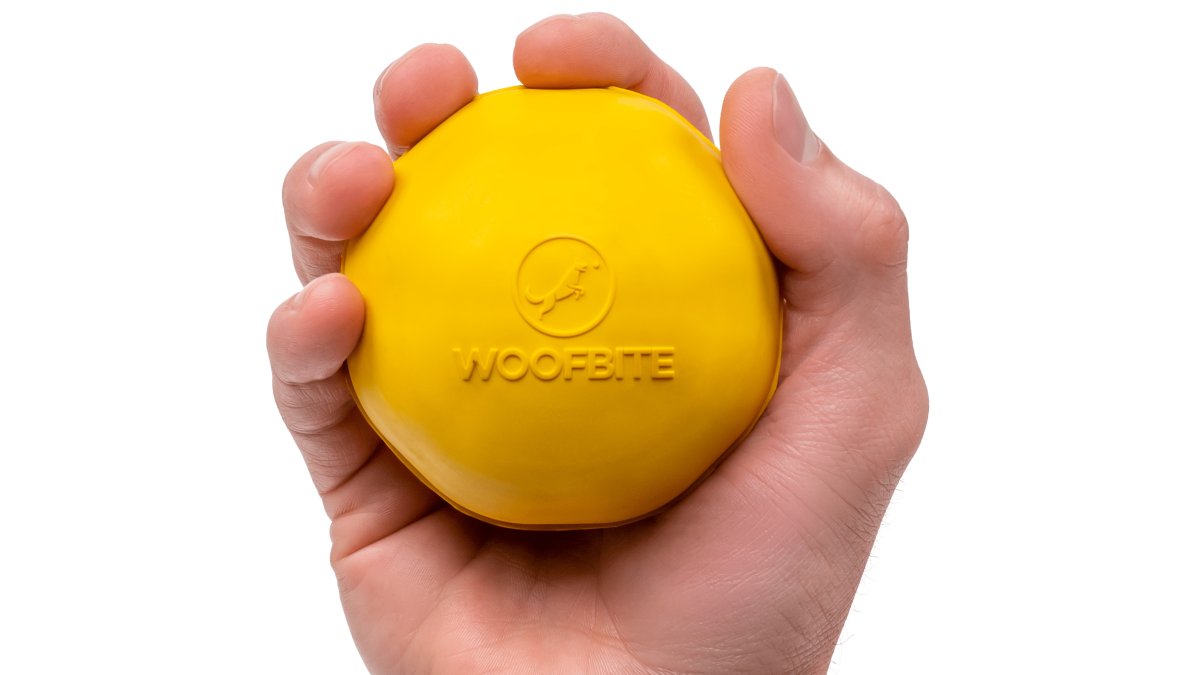
Our top pick overall is the Power Ball from Shake Wag & Roll, a heavy-duty natural rubber ball built for relentless chewing and fetch. Its industrial-strength rubber and bright yellow color make it a favorite for large breeds, and it's backed by a Demolish-Free Lifetime Guarantee. For owners tired of replacing shredded balls, it's the most reliable starting point.
Rubber Options: Power Ball, Giant Ring Ball, and Ice Cream Cone
The Power Ball ($17.99) handles fetch and solo chewing with a bouncy, durable build. The Giant Ring Ball ($44.99) suits large breeds that need a bigger target for interactive play. The Ice Cream Cone ($16.99) is the enrichment standout: a freezable treat dispenser that slows mealtime and provides mental stimulation for power chewers.
Nylon Options: Honey Bone, Pipe Wrench, Corn on the Cob, Starfish, Unicorn Horn, and Bone eChew
Nylon is where chew resistance peaks. The Honey Bone ($7.99) is the budget entry with a textured surface that massages gums. The Pipe Wrench ($12.99) offers a ridged texture for long sessions. The Corn on the Cob ($12.99) uses a kernel texture for dental cleaning. The Starfish ($12.99) doubles as a stuffable enrichment toy. The Unicorn Horn ($10.99) is dishwasher safe and easy to grip from multiple angles, and the Bone eChew ($12.99) delivers dense nylon in a classic shape.
Treat-Dispensing and Enrichment Alternatives: Magnum Can Toy, Starfish, and Ice Cream Cone
For mental stimulation, treat-dispensing toys turn chewing into a puzzle. The Magnum Can Toy ($14.99) is a USA-made natural rubber dispenser for moderate chewers. The Starfish and Ice Cream Cone both add stuffing capacity, and the Ice Cream Cone is freezable for extended engagement.
How to Clean and Maintain Dog Toys
Cleaning is simple but easy to forget, and for aggressive chewers it matters more than for average dogs because the toy spends hours in the mouth and the dog is ingesting whatever is on the surface. The method depends on the material.
Rubber toys
Wash in warm water with a mild, pet-safe soap. Scrub the interior of stuffable toys with a bottle brush. Rinse thoroughly until the water runs clear, then dry completely before storage.
Nylon toys
Most dense nylon chews are dishwasher safe. Place them on the top rack and run a normal cycle. If the maker does not state dishwasher safety, hand-wash with warm water and mild soap and dry fully. Nylon is porous on a microscopic level, so a textured surface like a kernel or ridge pattern needs a soft brush to reach the grooves.
Stuffable and treat-dispensing toys
Rinse after every use. Food residue left in a dispenser is the fastest way to build bacteria. For frozen recipes, let the toy thaw slightly before rinsing so the ice releases from the walls, then wash as usual.
Frequency
- After every stuffing session: rinse stuffable and treat-dispensing toys.
- Weekly: wash all rubber and nylon toys in rotation.
- Monthly: do a deep clean of any toy with grooves, ridges, or interior cavities.
What cleaning will not fix
Cleaning extends a toy's life, but it does not repair structural damage. If a toy has deep splits, peeling layers, or missing chunks, retire it, no amount of washing makes a cracked toy safe. Pair cleaning with the inspection routine below so you are checking structure and hygiene on the same schedule.
Longevity Testing: How to Measure Wear and Tear
| Check | Frequency | Warning Sign |
|---|---|---|
| Surface cracks | Weekly | Deep splits or peeling |
| Size | Monthly | Chunks missing or worn thin |
Once a toy fails any check, retire it. This method prevents a worn toy from becoming a choking hazard.
Frequently Asked Questions
What can I use instead of a Kong for my aggressive chewer?
For aggressive chewers, look for toys made from ultra-durable nylon or heavy-duty natural rubber. Nylon toys like the Honey Bone, Pipe Wrench, or Bone eChew from Shake Wag & Roll are FDA-compliant and designed to outlast rubber and plush toys. Rubber options like the Power Ball or Giant Ring Ball offer bounce and fetch appeal. Treat-dispensing alternatives such as the Magnum Can Toy or Ice Cream Cone add mental stimulation. Always supervise your dog and replace toys showing wear.
Are there any dog toys tougher than Kongs?
Some nylon and industrial-strength rubber toys are engineered specifically for power chewers and can outlast standard rubber toys. For example, Shake Wag & Roll's Power Ball and Giant Ring Ball use heavy-duty rubber lab-tested for durability, while the Honey Bone and Pipe Wrench are made from FDA-compliant ultra-durable nylon. No toy is truly indestructible, so always monitor for damage and remove worn toys to prevent choking hazards.
How do I choose a safe, durable toy for an aggressive chewer?
Start by matching the material to your dog's chew style: nylon for determined gnawers, thick natural rubber for moderate to heavy chewers. Check for FDA-compliant, non-toxic materials and third-party testing. Choose the right size so the toy cannot be swallowed. Supervise play, especially with new toys, and inspect regularly for cracks or loose pieces. Brands like Shake Wag & Roll offer a range of options with safety certifications and durability guarantees.
How often should I clean and replace dog toys for aggressive chewers?
Clean rubber and nylon toys weekly with warm water and dog-safe soap, or place dishwasher-safe toys on the top rack. Inspect after every chew session for deep grooves, cracks, or missing pieces. Replace toys immediately if they become damaged or if pieces break off. Even durable toys wear down over time. Shake Wag & Roll's products include care instructions and a lifetime guarantee on select items.
What materials are safest for dogs that destroy everything?
FDA-compliant nylon and non-toxic natural rubber are the safest choices for destructive chewers. Nylon resists cracking and splintering, while natural rubber is gentle on teeth and gums. Avoid toys with small parts, squeakers, or soft plastics that can be swallowed. Shake Wag & Roll's nylon and rubber toys meet third-party safety standards and are made without BPA or toxic additives, giving you peace of mind during chew sessions.