

Limited Ingredient Treats for Sensitive Stomachs

Table of Contents
- What Are Limited Ingredient Treats?
- How to Identify Food Sensitivities in Dogs
- Single Ingredient Dog Treats: Why They Matter
- Hypoallergenic Dog Treats for Sensitive Stomachs
- Best Protein Sources for Digestive Health
- Ingredients to Avoid When Your Dog Has Stomach Sensitivity
- Transitioning Your Dog to Limited Ingredient Treats
- Conclusion
Last Updated: August 23, 2026
What Are Limited Ingredient Treats?
Limited ingredient treats are dog snacks formulated with minimal components, typically featuring a single protein source and avoiding common allergens, artificial additives, and fillers. Fewer ingredients mean fewer potential triggers for digestive disruptions. At Shake Wag & Roll, we understand that quality limited ingredient treats use human-grade, whole-food proteins without by-products, meals, or fillers. A treat made from 100% chicken breast differs fundamentally from one listing "poultry meal" as its primary ingredient, the latter contains rendered parts that are harder for sensitive digestive systems to process.
How to Identify Food Sensitivities in Dogs
Recognizing food sensitivities requires attention to behavioral and physical signals that emerge after eating. Common signs include loose stools, chronic diarrhea, vomiting, excessive itching, red or inflamed paws, ear infections, and hot spots. These symptoms often appear within hours or days of consuming a problematic ingredient.
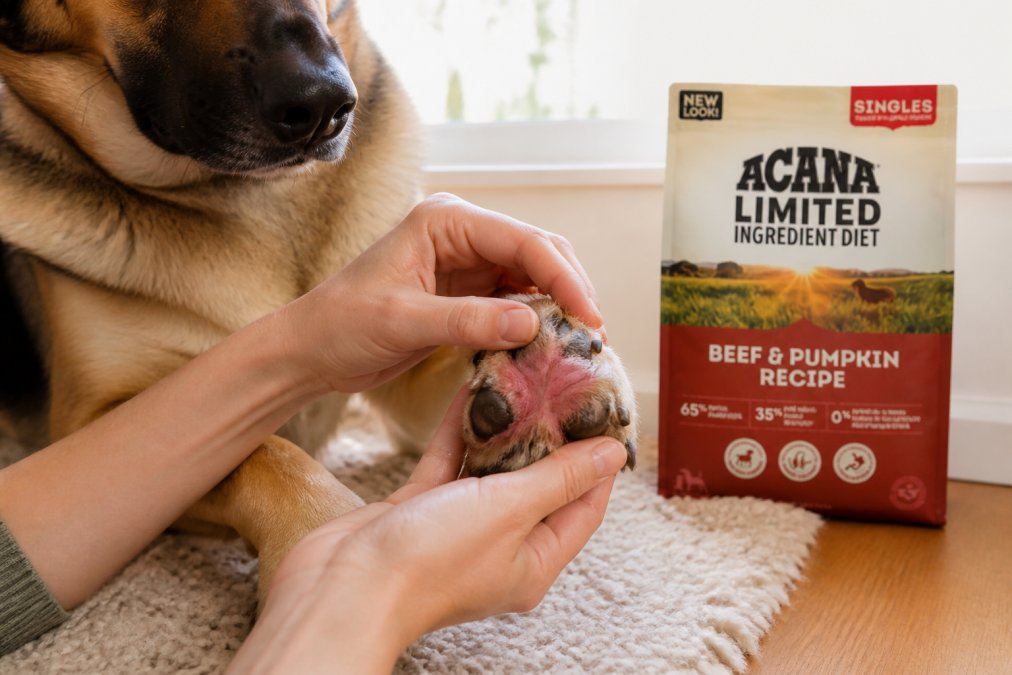
The challenge is distinguishing food sensitivities from other health issues. Observing patterns matters more than reacting to isolated incidents. Start by keeping a food diary. Note what your dog eats, when they eat it, and any symptoms that follow. Over two to three weeks, patterns typically emerge.
An elimination diet provides the most reliable confirmation. Feed your dog a single-protein diet for 8-12 weeks, ideally something they've never eaten before, like turkey or fish. Avoid all other treats and human food. Once symptoms resolve, gradually reintroduce other proteins one at a time, waiting 2-3 weeks between additions to observe reactions clearly.
Single Ingredient Dog Treats: Why They Matter
Single-ingredient treats represent the most straightforward approach to managing sensitive stomachs. When a treat contains only one protein source, you eliminate the variable of ingredient interactions that might trigger digestive disruption. A treat made from only chicken breast requires minimal enzymatic processing compared to one containing multiple components.
Farm to Pet's Chicken Chips exemplify this approach: human-grade chicken breast with no additives, preservatives, or fillers. At just 7 calories per chip and 80% crude protein, they deliver substantial nutrition without digestive burden. Their Turkey Chips offer a novel protein option ideal for dogs that have reacted poorly to chicken, while Beef Chips provide a heartier alternative.

Single-ingredient treats also serve as excellent training rewards. Their high palatability and concentrated protein make them motivating, while their low fat and calorie content means you can use multiple chips during training sessions without overfeeding.
Hypoallergenic Dog Treats for Sensitive Stomachs
Hypoallergenic dog treats are formulated to minimize allergenic responses by using novel proteins, avoiding common allergens, and excluding artificial additives that trigger sensitivities. A limited ingredient treat reduces complexity; a hypoallergenic treat actively selects ingredients known to cause fewer immune reactions. Goat, for instance, is rarely used in commercial dog foods, making it a novel protein less likely to trigger the sensitized immune response that develops from repeated exposure to chicken or beef.
Zignature's Goat Formula Dry Dog Food, available through Shake Wag & Roll, exemplifies this approach. Goat meat serves as the primary protein, a single animal source that's naturally hypoallergenic. The formula is grain-free, eliminating corn, wheat, and soy that commonly trigger digestive distress. For dogs with multiple sensitivities, this combination often produces dramatic improvements in coat quality, stool consistency, and overall comfort.

When selecting hypoallergenic treats, verify that the formula avoids artificial flavors, colors, and preservatives. Look for treats preserved with mixed tocopherols (vitamin E) or rosemary extract, natural preservation methods that don't introduce synthetic chemicals.
Best Protein Sources for Digestive Health
Not all proteins are created equal when it comes to digestive health. The best protein sources share three characteristics: high bioavailability, low inflammatory potential, and easy digestibility.
Chicken remains the most common protein in dog treats, but its ubiquity creates a problem. Dogs fed chicken repeatedly may develop sensitivities from overexposure. When you do choose chicken treats, select human-grade breast meat over poultry meal or by-products.
Turkey offers similar nutritional benefits to chicken with the advantage of being a less common protein. Farm to Pet's Turkey Chips provide 85% crude protein with just 3% fat and 7 calories per chip, ideal for weight management alongside digestive sensitivity.
Beef delivers higher fat content and a richer mineral profile than poultry. For dogs that tolerate beef well, it provides excellent bioavailability and supports healthy skin and coat.
Fish, particularly wild-caught walleye as used in Farm to Pet's Fish Chips, provides omega-3 fatty acids that actively reduce inflammation in the digestive tract. Fish is also a novel protein for most dogs, lowering the likelihood of sensitization. Fish Chips contain 74% crude protein with 17% fat and 8 calories per chip.
Goat represents an emerging option for dogs with multiple sensitivities. Its novelty in the dog food market means few dogs have developed antibodies against it. Goat meat is lean, highly digestible, and naturally supports a healthy gut microbiome.
Rotate proteins every 4-6 weeks to prevent sensitization from developing.
Ingredients to Avoid When Your Dog Has Stomach Sensitivity
Certain ingredients consistently trigger digestive disruption in sensitive dogs.
Artificial flavors and colors serve no nutritional purpose and frequently irritate sensitive digestive systems. Quality limited ingredient treats avoid them entirely, using natural flavoring from the protein source itself.
By-products and meals represent rendered animal parts processed into powder. While technically protein-containing, these ingredients are poorly digestible and often trigger gastrointestinal distress. Choose treats listing whole meat sources instead.
Fillers like corn, wheat, and soy bulk up treats cheaply but provide minimal nutrition while frequently triggering allergic responses. Dogs lack the enzymes to efficiently process corn, making it a prime suspect when digestive issues emerge.
Grain-free doesn't automatically mean better, but grains do trigger sensitivities in some dogs. Sweet potato and pumpkin serve as excellent grain-free carbohydrate sources that actively support digestive health through their fiber content.
Excessive fat can overwhelm a sensitive digestive system. Look for treats with fat content between 3-17%, depending on your dog's individual tolerance.
Artificial preservatives like BHA, BHT, and ethoxyquin accumulate in the body and can trigger chronic inflammation. Natural preservation using mixed tocopherols or rosemary extract protects treats without introducing synthetic chemicals.
| Ingredient to Avoid | Why It's Problematic | Better Alternative |
|---|---|---|
| Artificial flavors/colors | Irritate sensitive digestive systems | Natural meat-based flavor |
| Poultry meal, by-products | Poorly digestible, difficult to trace | Whole chicken, turkey, or beef |
| Corn, wheat, soy | Common allergens, minimal nutrition | Sweet potato, pumpkin, lentils |
| BHA, BHT, ethoxyquin | Synthetic preservatives, chronic inflammation | Mixed tocopherols, rosemary extract |
| High-fat treats (>20%) | Overwhelm sensitive digestion | Lean proteins with 3-17% fat |
Transitioning Your Dog to Limited Ingredient Treats
Moving from conventional treats to limited ingredient options requires a gradual transition to avoid digestive upset that could be mistaken for a sensitivity to the new treats.

Week one: Replace 25% of your dog's current treats with limited ingredient options. Monitor stool consistency and energy levels.
Week two: Move to a 50/50 split. Most dogs have begun adapting to the new ingredient profile.
Week three: Increase to 75% new treats, 25% old.
Week four: Complete the transition to 100% limited ingredient treats. Your dog's digestive system has fully adapted.
This four-week timeline works for most dogs. Some individuals with severely compromised digestion may need an eight-week transition. There's no penalty for moving slowly, a gradual transition prevents digestive disruption and makes it far easier to identify whether a new treat actually suits your dog.
Acana Singles: Premium Limited Ingredient Nutrition
The Acana Singles line, available through Shake Wag & Roll, represents a comprehensive approach to limited ingredient nutrition. Both the Beef & Pumpkin and Lamb & Apple formulas exemplify how limited ingredient principles scale from treats to full meals.
Acana's Beef & Pumpkin Recipe delivers 65% animal ingredients from single-source beef, creating a nutrient-dense, highly bioavailable protein foundation. The formula avoids grains entirely while incorporating pumpkin and sweet potato for digestive fiber and prebiotic support. The Lamb & Apple formula follows the same philosophy with lamb as the single protein source, complemented by apples, sweet potato, and pumpkin. Lamb offers a novel protein option for dogs that have reacted poorly to beef or poultry.

What distinguishes Acana from budget limited ingredient options is ingredient transparency and sourcing. The formula lists whole meat sources, not meals or by-products. This transparency allows you to confidently identify exactly what your dog is consuming, essential when conducting elimination diets.
Zignature Goat Formula: Novel Protein for Multiple Sensitivities
For dogs that have failed on conventional proteins, chicken, beef, and even turkey, Zignature's Goat Formula offers a genuinely novel alternative. Goat meat appears rarely in commercial dog foods, meaning most dogs have never been exposed to it and haven't developed sensitized immune responses.
The goat formula is grain-free, eliminating corn, wheat, and soy that commonly trigger inflammatory responses. It's also free from chicken, beef, and pork, the proteins most likely to cause problems in dogs with established sensitivities. For dogs with multiple failed protein trials, this represents a genuine reset opportunity.
Goat meat itself provides excellent bioavailability and contains compounds that actively support digestive health. It's leaner than beef but richer than poultry, offering a balanced fat profile that supports nutrient absorption without overwhelming sensitive digestive systems.
Supporting Digestive Health Beyond Treats
While limited ingredient treats address immediate treat-related sensitivities, comprehensive digestive support requires additional measures. Probiotics, prebiotics, and targeted supplements can dramatically accelerate recovery from digestive disruption.
Sym-Biota K9 provides liquid probiotic support with 24 billion CFUs of active Bacillus strains per 2 ml dose. The liquid form delivers beneficial bacteria directly to the gut without requiring microencapsulation to survive stomach acid. Bacillus strains are particularly hardy, withstanding the acidic stomach environment that destroys more fragile probiotic species.
For dogs on home-prepared diets or those with protein sensitivities that exclude beef, pork, and organ meats, the Daily Wellness Formula, Glandular-Free Multivitamin provides essential micronutrients without triggering sensitivity reactions. Dog Anti-Diarrhea Chews provide immediate relief during acute digestive upset, formulated with bentonite, prebiotics, and electrolytes to help firm loose stool while supporting hydration and gut health.
The combination of limited ingredient treats, appropriate kibble or home-prepared diet, and targeted digestive support creates a comprehensive approach to managing sensitive stomachs.
Managing a dog with a sensitive stomach demands patience, observation, and a commitment to ingredient transparency. Limited ingredient treats form the foundation of this approach, simplifying the digestive workload while making it possible to identify exactly which proteins and ingredients your dog tolerates.
Shake Wag & Roll's carefully selected range of limited ingredient options, from Farm to Pet's single-ingredient chips to Acana's complete nutritional formulas and Zignature's novel protein solutions, gives you the tools to address sensitivities systematically. Start with a thorough transition, monitor your dog's response carefully, and rotate proteins regularly to prevent new sensitivities from developing.
The goal is understanding your individual dog's digestive needs and meeting them with transparency and care. When you get it right, the results are unmistakable: improved stool consistency, reduced itching, better energy, and a noticeably healthier coat.
American Veterinary Medical Association guidance on pet nutrition
FDA regulations on pet food labeling and ingredient standards
Veterinary research on novel protein diets for food-sensitive dogs
Frequently Asked Questions
What ingredients should I avoid in treats for dogs with sensitive stomachs?
Avoid artificial flavors, colors, and preservatives, as these commonly trigger digestive upset. Skip treats with by-products, meals, and fillers, these low-quality ingredients are harder to digest. Corn, soy, and wheat can cause gastrointestinal distress in sensitive dogs. If your dog has shown reactions to chicken, beef, or pork, eliminate those proteins. Look for treats with ingredient transparency and minimal processing to support digestive health.
Are limited ingredient treats better for dogs with allergies?
Yes. Limited ingredient treats reduce the number of potential allergens your dog encounters, making it easier to identify which specific ingredient causes a reaction. Single-source protein treats are especially beneficial because they simplify the elimination diet process. By removing unnecessary fillers and artificial additives, you're giving your dog's digestive system less to process. Many dogs with food allergies or sensitivities show improvement within weeks of switching to limited ingredient options.
How do I know if my dog has a sensitive stomach?
Common signs include loose stools, diarrhea, vomiting, excessive gas, bloating, or constipation after eating. Some dogs develop itchy skin, ear infections, or hot spots linked to food sensitivities. If your dog frequently experiences digestive disruptions or shows reluctance to eat, consult your veterinarian to rule out underlying health issues. Keep a food diary to track which treats or foods trigger symptoms, this helps pinpoint the problematic ingredient.
Can I use limited ingredient treats for training if my dog has a sensitive stomach?
Absolutely. Single-ingredient treats like Farm to Pet Chicken Chips ($13.95), Beef Chips ($16.95), Turkey Chips ($14.95), and Fish Chips ($15.95) are ideal for training because they're low in calories, easy to break into smaller pieces, and gentle on digestion. At 6-8 calories per chip, you can reward frequently without overfeeding. Their simple composition means no digestive disruptions during training sessions, so your dog stays focused and comfortable.
This article was written using GrandRanker