

Natural Alternatives to Rawhide for Dogs: Safe Chews

Table of Contents
- Why Rawhide Is Risky and What Natural Alternatives to Rawhide for Dogs Can Replace It
- Are Bully Sticks Safe? What You Need to Know Before You Buy
- Best Limited Ingredient Dog Treats and Chews for Sensitive Dogs
- Dog Chew Safety Tips: Matching Chews to Jaw Strength and Size
- Long-Lasting Chew Options for Aggressive Chewers
- Dental Health Benefits of Natural Chews
- Conclusion
- Frequently Asked Questions
Last Updated: September 23, 2026
Why Rawhide Is Risky and What Natural Alternatives to Rawhide for Dogs Can Replace It
Rawhide chews are common yet carry real risks many owners never hear about. If you're searching for natural alternatives to rawhide for dogs, the short answer: digestible chews made from animal proteins, plant fibers, or collagen deliver the same chewing satisfaction without the choking, blockage, and chemical-treatment concerns of processed hide. This guide from Shake Wag & Roll breaks down which options are genuinely safer, how to match a chew to your dog's jaw strength, and where most shopping advice falls short.

Choking Hazards and Intestinal Blockages
The core danger with rawhide is mechanical, not nutritional. When a dog gnaws a rawhide bone down to a soft chunk, that chunk can break off and be swallowed whole. Because rawhide softens but doesn't dissolve quickly, it can lodge in the esophagus or intestines.
Chemical Treatments and Additives
Here's what most guides skip: rawhide is rarely just hide. To preserve it and make it look appealing, manufacturers often use preservatives, artificial flavors, and bleaching or coloring agents. Some imports have been linked to formaldehyde and other harsh processing chemicals.
Are Bully Sticks Safe? What You Need to Know Before You Buy
Bully sticks are generally safe for most dogs, and they're one of the most popular natural alternatives to rawhide because they're fully digestible and made from a single protein source. The catch: "safe" depends on how you use them. A bully stick is a bovine muscle, not a hide, so it breaks down far more readily than rawhide.
Best Limited Ingredient Dog Treats and Chews for Sensitive Dogs
The best limited ingredient dog treats for sensitive dogs use one protein source, no artificial additives, and no common allergens. Fewer ingredients means fewer things that can trigger a reaction, whether a skin flare-up or digestive upset.
Allergen-Friendly Chews: A Guide Most Articles Skip
Most chew guides list the same options and never ask the question that matters for a sensitive dog: what is your dog allergic to? The most common food allergens in dogs are proteins, not grains, beef, chicken, dairy, lamb, egg, and wheat top the list in most veterinary dermatology practice. So a "natural" bully stick (beef) is a bad choice for a beef-allergic dog, and a chicken tendon is off the table for a poultry-allergic dog.
Here's how to route around the common allergens:
- Beef allergy: skip bully sticks, beef cheek rolls, beef tendons, and most collagen chews (collagen is typically bovine). Look at pork, fish, or plant-based options.
- Chicken or poultry allergy: skip chicken and turkey tendons and jerky. Beef, pork, fish, and plant-based chews are usually fine.
- Multiple protein allergies: plant-based and cellulose chews are the safest starting point because they sidestep animal proteins entirely.
- Grain or wheat sensitivity: most single-ingredient animal chews are already grain-free, so this is rarely the limiting factor, but check flavored or coated chews, which sometimes use wheat-based binders.
Hypoallergenic and Additive-Free Options
Hypoallergenic chews avoid the ingredients most likely to trigger reactions: common proteins like chicken and beef, plus artificial colors, flavors, and preservatives. Plant-based options sidestep animal proteins entirely.
How to Read a Chew Label
FDA guidance on pet food and treat labeling is worth checking if you're unsure how to read a treat label. The ingredient list is where the truth lives, not the front of the package. A few things to look for:
- One named protein, not a category. "Beef" is specific. "Meat" or "animal by-products" is not.
- No artificial preservatives. BHA, BHT, ethoxyquin, and propylene glycol are the ones most often flagged.
- No added colors or flavors. Dogs don't care what a chew looks like; dyes and flavor coatings exist for the human buyer.
- Country of origin and processing. If the label doesn't say where the chew was made or how it was processed, treat it as unknown.
Starting a New Chew Safely
If your dog has reacted to treats before, introduce any new chew one at a time, in a small piece, and watch for 24 to 48 hours. Symptoms include itching, paw licking, ear redness, loose stool, and vomiting. If a reaction appears, stop the chew and note the ingredient, that tells you what to avoid next time.
Dog Chew Safety Tips: Matching Chews to Jaw Strength and Size
Dog chew safety tips start with one rule: match the chew to the dog, not the other way around. A chew perfect for a senior dachshund can crack a puppy's tooth or be swallowed whole by a Labrador. Size, jaw strength, chewing style, and breed all change what's safe, and most chew guides never mention breed.
Chew Selection by Breed and Jaw Strength
Jaw strength isn't just about body size. A 60-pound greyhound has a long, narrow muzzle and a softer bite than a 25-pound French bulldog with a wide, powerful jaw. Breed and head shape matter as much as weight when you pick a chew.
Here's the framework we use:
- Gentle chewers, puppies, and seniors: soft, plant-based chews that protect tooth integrity. BetterBone SOFT is built for exactly this group. Breeds that typically fit here include greyhounds, whippets, Italian greyhounds, and most toy breeds.
- Average chewers: collagen chews, tendons, and bully sticks in a size larger than your dog's mouth. Most herding and sporting breeds, border collies, Australian shepherds, golden retrievers, Labrador retrievers, land here.
- Aggressive and power chewers: dense nylon toys made for heavy chewing, sized up so they can't be swallowed. Breeds with wide, strong jaws and a high drive to destroy, pit bull-type dogs, Rottweilers, German shepherds, huskies, and boxers, usually need this tier.
Caloric Density and Chew Time
Chew time and calories are linked, and this is where most owners get caught out. A chew that lasts an hour also delivers a steady stream of calories. For dogs prone to weight gain, that adds up fast.
Age and Dental Condition
Puppies under about six months are still working with baby teeth and developing adult teeth, so anything harder than a firm rubber or plant-based chew risks fracturing a tooth. Seniors with worn enamel, missing teeth, or dental disease need the same soft tier. Dogs with a slab fracture, cracked carnassial tooth, or recent dental work should skip hard chews until a veterinarian clears them.
Supervision and the Two-Inch Rule
Supervision helps, but it isn't a substitute for the right chew. The working rule many trainers use: if a piece breaks off and fits entirely behind the dog's front teeth, it's a choking risk, take it away. Check the chew every few minutes, and never leave a dog alone with a chew reduced to a nub.
Long-Lasting Chew Options for Aggressive Chewers
For dogs that destroy everything, the answer isn't a softer chew, it's a denser one designed for power chewers. Nylon chew toys made in the USA from FDA-compliant, non-toxic material are the standard here. They outlast rubber and plush toys, and their textured surfaces help clean teeth and massage gums while your dog works.

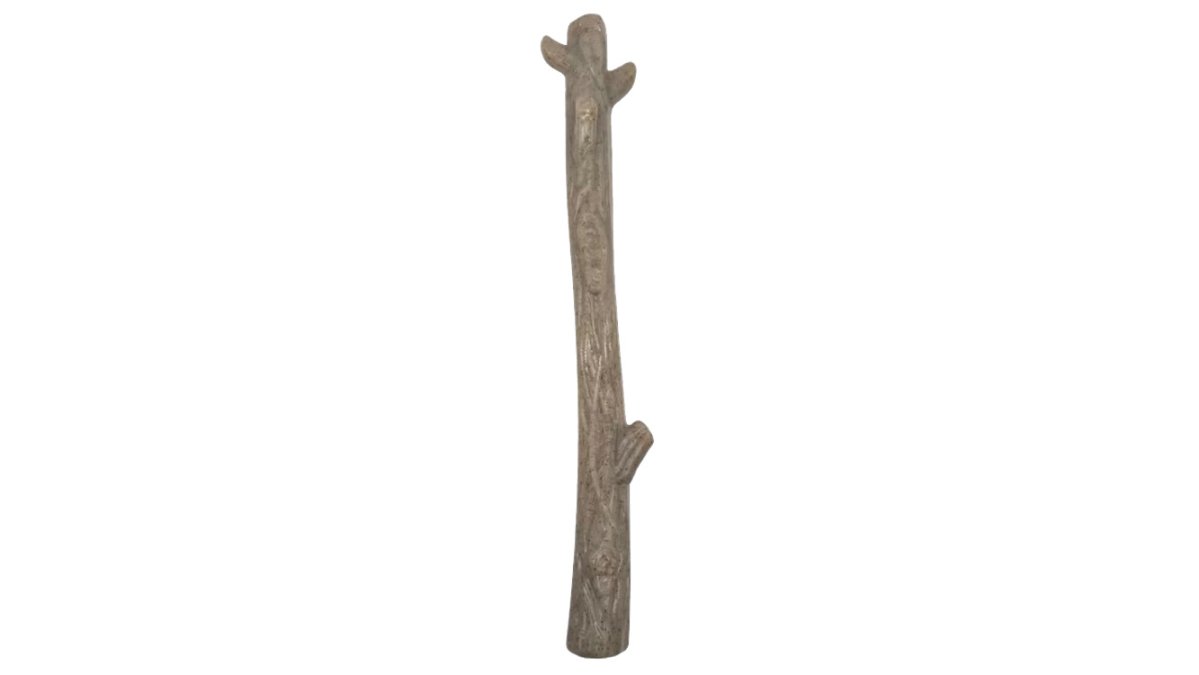
| Chew | Best For | Material | Price |
|---|---|---|---|
| Chew Stick | Aggressive chewers, large dogs | Natural rubber | $25.00 |
| Ever Antler Nylon Chew Bone | Antler-loving power chewers | FDA-compliant nylon | $12.99 |
| Honey Bone Nylon Toy | Power chewers, all sizes | FDA-compliant nylon | $7.99 |
| BetterBone SOFT | Puppies, seniors, gentle chewers | Plant-based cellulose | $12.49 |
Dental Health Benefits of Natural Chews
Natural chews do real dental work, but they're not a replacement for brushing. Chewing scrapes plaque off tooth surfaces and massages gums, helping with tartar control and fresher breath between professional cleanings.
Conclusion
Choosing a chew that's safe, digestible, and matched to your dog's jaw strength takes more thought than grabbing the first bone off the shelf. Shake Wag & Roll curates exactly these products, from plant-based chews for sensitive pups to durable toys built for power chewers, all backed by expert canine care guidance and a community of dog owners who've been where you are.
Frequently Asked Questions
What can I give my dog instead of rawhide?
Safe natural alternatives include bully sticks, collagen chews, beef cheek rolls, tendon chews, and durable nylon toys. For sensitive dogs, plant-based options like BetterBone SOFT are hypoallergenic and free from rawhide, nylon, and PVC. Always match the chew to your dog's size and jaw strength, and supervise chewing to prevent choking hazards.
Are bully sticks a safe alternative to rawhide?
Bully sticks are fully digestible and less likely to cause intestinal blockages than rawhide. However, they can still be a choking hazard if swallowed whole. Choose a bully stick thicker than your dog's muzzle, use a holder for aggressive chewers, and supervise. They are high in natural protein but also calorie-dense, so adjust meals accordingly.
What is the healthiest thing for dogs to chew on?
The healthiest chews support dental health without additives. Look for fully digestible options like bully sticks, collagen chews, or plant-based chews such as BetterBone SOFT. For power chewers, FDA-compliant nylon toys like the SodaPup Bone eChew provide long-lasting durability and help reduce plaque and tartar. Avoid rawhide, which can splinter and contain chemical preservatives.
How do I choose a long-lasting chew that is safe for my dog?
Match chew hardness to your dog's jaw strength. Gentle chewers and seniors do well with softer plant-based chews. Aggressive chewers need durable nylon or natural rubber toys. Check for splintering, choose the right size to prevent swallowing whole, and always supervise. Rotate chews to keep your dog engaged and inspect for wear before each use.
Are natural chews safe for dogs with allergies?
Many natural chews are hypoallergenic, but it depends on the protein source. Novel proteins like fish skin or plant-based chews (e.g., BetterBone SOFT) are good for dogs with common protein allergies. Always check ingredient labels for artificial flavors, preservatives, and chemical-free claims. Introduce new chews one at a time to monitor for reactions.
Ready to ditch rawhide for good? Shake Wag & Roll offers durable chew toys for active dogs, hypoallergenic plant-based chews, and limited ingredient treats, plus expert care tips and exclusive offers for our community. Sign up today and give your dog a safer chew.