

Why Is My Dog Not Eating Their Food? 2026 Guide

Table of Contents
- Is It Picky Behavior or a Medical Problem?
- Common Medical Causes for Loss of Appetite in Dogs
- Why Is My Dog Refusing Food But Eating Treats?
- Environmental Stress, Routine Changes, and Sensory Issues
- When to See a Vet for Dog Not Eating
- How to Stimulate Dog Appetite: A Step-by-Step Home Test
- Conclusion: Trust Your Instincts
- Frequently Asked Questions
Last Updated: September 20, 2026
Is It Picky Behavior or a Medical Problem?
When your dog not eating their food becomes a daily worry, the first question to answer is simple: is this a habit or a health problem? Most healthy dogs skip an occasional meal and bounce back fast. A true loss of appetite that lasts more than 24 hours in a dog, or more than 12 hours in a puppy, needs a closer look.
The Difference Between Hyporexia and Anorexia
Hyporexia means a dog eats less than normal but still eats something. Anorexia means a dog refuses all food completely. Both are symptoms, not diagnoses. Hyporexia is common and often harmless. Anorexia lasting more than a day is a red flag for an underlying illness, and it deserves a call to your vet.
Common Medical Causes for Loss of Appetite in Dogs
Medical problems are the most common reason a dog stops eating normally, and a physical exam with blood work usually narrows the cause quickly. Most practitioners group the causes into a handful of systems, because the pattern of refusal often points to the system involved. Here is the differential vets work through first.
Gastrointestinal Distress and Nausea
Gastrointestinal distress is one of the top reasons dogs refuse meals. Nausea, vomiting, and diarrhea suppress appetite fast, and the mechanism is straightforward: the gut signals the brain to stop eating while it tries to settle. A dog with an upset stomach may lick their lips, swallow often, drool, or eat grass. Bland food, small frequent meals, and hydration usually help mild cases.

Dental Disease and Periodontal Pain
Dental disease and periodontal pain make chewing hurt, so the dog may still want food but quit once the first bite lands. Watch for dropping food from the mouth, chewing on one side, head shyness when you reach for the muzzle, bad breath, or brown buildup along the gumline. By the time a dog refuses hard kibble, periodontal disease is often advanced.
Medication Side Effects and Metabolic Disease
Some medications cause nausea or a learned food aversion as a side effect. If your dog takes a daily medication and suddenly stops eating, ask your vet whether the drug or its timing could be the link before assuming the food is the problem. Metabolic disease, including kidney and liver problems, pancreatitis, and endocrine conditions such as hypothyroidism or Addison's disease, also changes appetite, often gradually rather than overnight.
Pain, Infection, and Systemic Illness
Pain anywhere can shut down appetite, not just mouth pain. Arthritis, back pain, and abdominal pain all suppress eating, and dogs rarely limp or cry in obvious ways. Fever from infection, parvovirus in unvaccinated puppies, and tick-borne illnesses are other common culprits. A dog that is quiet, hiding, or running a warm, dry nose alongside the food refusal needs a vet rather than a food swap.
Toxin Exposure and Foreign Bodies
Ingested toxins, chocolate, xylitol, grapes and raisins, certain houseplants, and human medications, frequently present first as a dog that will not eat. So does a swallowed foreign object or a bout of garbage gut. If you suspect either, treat the refusal as an emergency symptom, not a picky phase.
Age-Related Appetite Changes
Puppies and seniors sit at opposite ends of the risk curve. A puppy that refuses food for 12 hours can crash quickly because of low reserves, so the threshold for calling a vet is shorter. Senior dogs often show appetite changes tied to dental disease, kidney function, or cognitive decline, and the shift is usually gradual.
Why Is My Dog Refusing Food But Eating Treats?
A dog refusing food but eating treats is usually showing a preference, not a medical problem, but the treat itself is the clue, not the proof. Treats win for three reasons: they are richer in fat and protein, they smell stronger because they are often served at room temperature or warmed by the hand, and they come with attention.
The Treat-Value Ladder
Use the value of the food to read the severity. Offer three tiers in order and note which one the dog takes:
- Tier 1, normal kibble: refusal here is the baseline complaint.
- Tier 2, a high-value treat (freeze-dried liver, a piece of plain cooked chicken): if the dog takes this eagerly, appetite drive is intact.
- Tier 3, a novel, smelly, warm topper: if the dog refuses even this, appetite drive is suppressed and illness is more likely.
A Step-by-Step Home Appetite Test
Before you call the vet, run this structured triage over one day. It gives you concrete observations to report and helps you decide whether to wait or book a visit.
- Offer the normal meal at the normal time for 15 minutes, then remove the bowl. Note whether the dog sniffs, walks away, or eats part of it.
- Two hours later, offer a single high-value treat. Note the response and how fast it is taken.
- Offer a warm, smelly topper mixed into a small amount of food.
- Track energy, water intake, and bathroom habits across the day.
- If the dog eats nothing at any tier for a full day, call your vet. For a puppy or senior, shorten that window to 12 hours.
Breed Tendencies and the Picky-Eater Question
Many owners do not know whether their breed is naturally selective or whether the refusal is a health signal. Some breeds, including many toy and terrier types, and sighthounds such as Greyhounds and Whippets, are commonly described as finicky or prone to skipping meals, while working and sporting breeds often eat with more enthusiasm.
Rice, Hamburger & Bone Broth Bland Diet →
Sensory Issues With Food
Smell, texture, and even bowl height affect whether a dog eats. A dog with a sensitive nose may reject food that has been sitting out and gone stale, or food served in a bowl that smells like soap or metal. Some dogs dislike the clatter of a metal bowl on a hard floor and eat better from a ceramic or silicone dish.
Environmental Stress, Routine Changes, and Sensory Issues
Stress and sensory problems can shut down appetite in otherwise healthy dogs. Environmental stress, separation anxiety, and routine changes all play a role. So do sensory issues with food.
Common triggers include:
- A new baby, pet, or houseguest
- A move or a change in meal schedule
- Loud noises or a new feeding spot
- Stale food or a recent recipe change
- A bowl that smells like soap or metal
When to See a Vet for Dog Not Eating
When to see a vet for dog not eating depends on how long it lasts and what else you see. Call your vet if your dog has refused food for 24 hours, or sooner if other symptoms appear. A quick triage call can save you a stressful night.
Watch for these signs:
- Vomiting or diarrhea lasting more than a day
- Lethargy or weakness
- Dehydration (tacky gums, skin that stays tented)
- Weight loss or a dropping body condition score
- Pain when you touch the mouth or belly
Signs of a Medical Emergency
Some symptoms mean emergency care, not a wait-and-see approach. Go to an emergency clinic if your dog shows any of these:
- Repeated vomiting or vomiting blood
- A swollen, hard, or painful belly
- Collapse, seizures, or trouble breathing
- Known or suspected toxin ingestion
- A puppy or senior dog refusing food for 12 hours
How to Stimulate Dog Appetite: A Step-by-Step Home Test
How to stimulate dog appetite starts with a simple at-home appetite test you can run in one day. This test helps you see whether the problem is behavioral or medical before you call the vet.
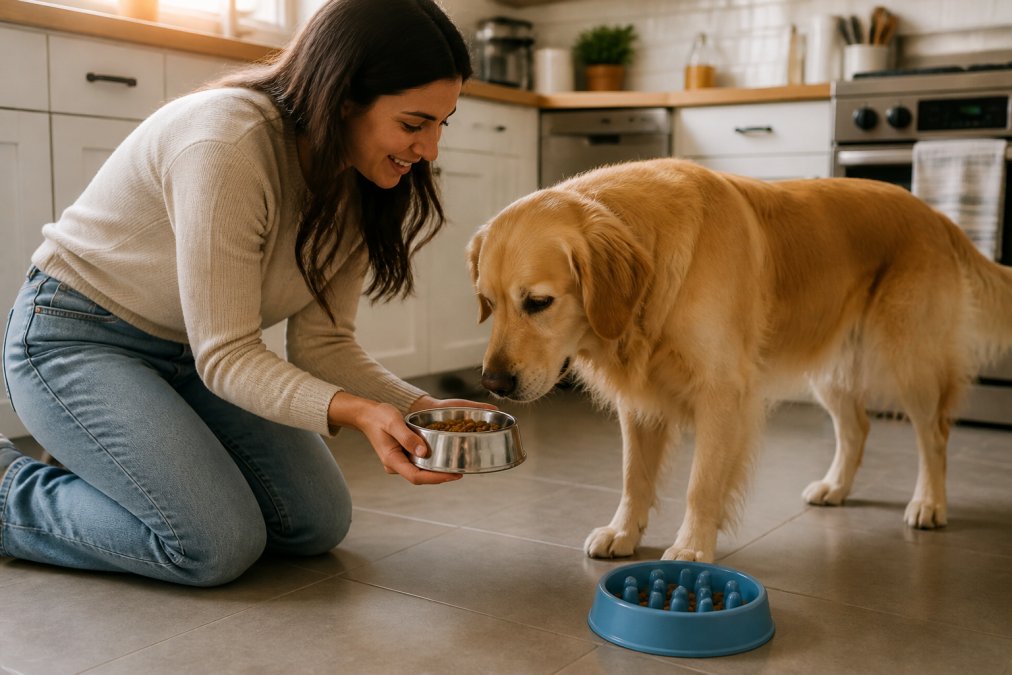
Run this test step by step:
- Offer the normal meal at the normal time for 15 minutes. Then remove the bowl.
- Note whether your dog sniffs, walks away, or eats part of it.
- Two hours later, offer a small piece of a high-value treat. Note the response.
- Offer a warm, smelly topper mixed into a small amount of food.
- Track energy, water intake, and bathroom habits all day.
- If your dog eats nothing all day, call your vet.
Tips to Encourage Eating and Dietary Transition
- Warm the food slightly to boost aroma and palatability
- Add a topper like a bland diet or freeze-dried raw mixer
- Switch to a limited ingredient diet during a slow dietary transition
- Feed smaller meals more often
- Try a slow feeder or snuffle toy to make eating a game
- Keep food fresh and store it sealed to avoid stale food
At Shake Wag & Roll, we keep limited ingredient diets, freeze-dried mixers, and slow feeders on hand for exactly this situation. Our customers tell us the difference shows up fast. One wrote that her picky eater finally cleaned the bowl after we suggested a freeze-dried topper.
Conclusion: Trust Your Instincts
You know your dog better than any chart or checklist. If something feels off, act on it. A skipped meal is normal. A pattern of skipped meals, weight loss, or lethargy is not.
Frequently Asked Questions
Why is my dog not eating their food but will eat human food?
This usually points to a palatability issue or a learned behavior. If your dog is holding out for higher-value human food, they may have learned that refusing kibble leads to something better. However, if they suddenly refuse kibble but eagerly eat plain chicken and rice, it could indicate nausea or dental pain that makes hard food uncomfortable. Try a bland diet like the Rice, Hamburger & Bone Broth Bland Diet to soothe their stomach, and consult your vet if the behavior persists.
When should I worry about my dog not eating?
You should contact your veterinarian if your dog has refused food for more than 24 hours, or immediately if they are showing signs of lethargy, vomiting, diarrhea, or dehydration. A loss of appetite lasting longer than 48 hours can be dangerous for dogs, especially small breeds or puppies. If your dog is also losing weight or has a body condition score that is dropping, seek veterinary care right away.
How can I stimulate my dog's appetite naturally?
To stimulate dog appetite, try warming their food slightly to release aromas, adding a topper like freeze-dried raw mixer, or using a slow-feeding toy to make mealtime engaging. A product like Nature's Blend Healthy Digestion can be used as a mixer to boost flavor and nutrition. Establish a consistent meal schedule, remove food after 20 minutes, and avoid free-feeding. If these steps fail, a vet can prescribe an appetite stimulant.
Can stress cause a dog to stop eating?
Yes, environmental stress and routine changes are common causes of appetite loss. Events like moving, a new pet, or separation anxiety can trigger a dog to refuse food. Dogs thrive on predictable schedules, so try to maintain consistent feeding times and a quiet environment. If stress is the culprit, offering a high-value treat or a food puzzle can help rebuild positive associations with mealtime.