

Healthy Treats for Picky Eaters: 7 Real Solutions

Table of Contents
- Why Picky Eaters Reject Treats (And What You Can Do About It)
- Best Limited Ingredient Dog Treats for Sensitive Palates
- 1. Single-Protein Powder Toppers: Farm to Pet Treat Toppers
- 2. Lickable Treats for Texture-Sensitive Dogs
- How to Introduce New Foods to Picky Eaters: A Food Chaining Approach
- Easy Homemade Snacks for Picky Eaters
- Sensory-Friendly and Allergy-Conscious Treat Options
- Budget-Friendly Healthy Snacking Without Compromise
- Frequently Asked Questions
Last Updated: September 2, 2026
Why Picky Eaters Reject Treats (And What You Can Do About It)
Picky eaters aren't being difficult, they're responding to genuine sensory, textural, or nutritional preferences that most standard treats ignore. Understanding WHY your dog rejects treats is the first step to finding solutions that work. Dogs with sensitive palates often respond to limited ingredient formulas, novel proteins, or specific textures that feel safe. Some need gradual introduction through food chaining, a behavioral approach that builds positive associations with unfamiliar foods. Others simply need treats matching their sensory preferences: creamy over crunchy, soft over hard, or single-protein over multi-ingredient blends.
This guide covers seven real solutions for healthy treats for picky eaters, from powder toppers that mask new flavors to interactive feeding tools that make mealtime engaging. We'll walk you through food chaining strategies, sensory-friendly options, and budget-conscious choices that don't sacrifice nutrition.
Best Limited Ingredient Dog Treats for Sensitive Palates
Limited ingredient treats eliminate the noise, no fillers, no mystery proteins, no overwhelming flavor blends. A single-protein treat lets you control exactly what your dog eats and makes it easier to identify what works.
Dogs with sensitive palates often reject treats because they contain too many ingredients competing for attention. A chicken-only, beef-only, or fish-only treat gives your picky eater one clear flavor to evaluate. If they reject it, you know it's the protein itself. If they accept it, you've found a safe starting point.
Look for treats with fewer than five ingredients total. The best formulas include the protein, maybe a binder, and that's it. No corn, no soy, no artificial colors or flavors.
1. Single-Protein Powder Toppers: Farm to Pet Treat Toppers
Powder toppers solve the picky eater problem by meeting your dog where they are. Instead of asking them to eat an unfamiliar treat form, you're adding flavor and nutrition to food they already accept. This is particularly powerful for dogs with strong texture preferences.
Farm to Pet offers single-ingredient toppers in chicken, turkey, beef, and fish, each made from 100% human-grade protein dehydrated into a fine powder. A sprinkle over kibble or wet food transforms mealtime without forcing your picky eater to commit to a new treat format. Each teaspoon contains just 3 calories, so you can adjust portions without guilt.
The real advantage is flexibility. Pour the powder into a lick mat, mix it with broth, or use it in DIY homemade snacks. For extremely picky dogs, this removes the barrier of "treat", they're just eating their regular meal with something more interesting on top.
Pricing: Starting at $14.95 for chicken, $15.95 for turkey, beef, or fish.
Best for: Dogs who reject treat formats but accept toppers; senior dogs or puppies with dental issues; dogs with chicken sensitivities who need novel protein rotation.
2. Lickable Treats for Texture-Sensitive Dogs
Many picky eaters reject crunchy or chewy treats because the texture triggers avoidance. Lickable treats bypass this entirely, no chewing required, just smooth purée they can consume at their own pace.

Choolip Squeeze Vita Stick lickable treats are vet-formulated purées made with real meat, fruits, and vegetables. The high-moisture texture makes them ideal for dogs with texture aversion, and the variety pack lets you test multiple flavors without committing to a single protein. Each tube contains functional blends targeting joint, skin, heart, kidney, liver, eye, and brain health.
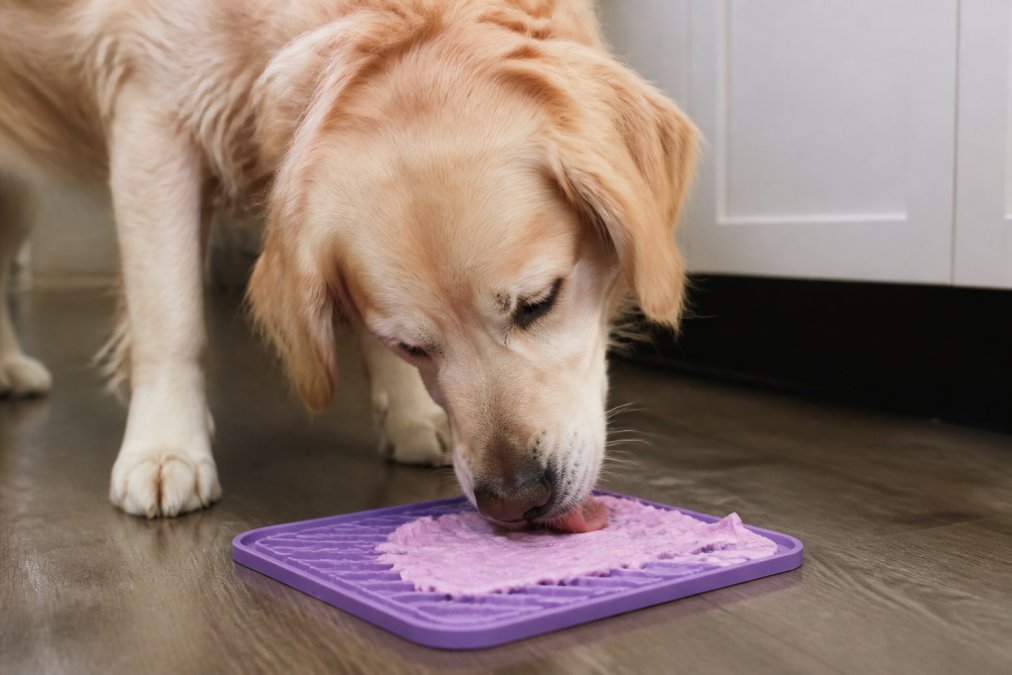
Lickable treats also work beautifully with enrichment toys. Freeze one in a lick mat for extended engagement, or hand-feed it directly. For anxious or picky eaters, slow consumption can reduce mealtime stress.
Pricing: $62.99 for a 49-count variety pack (seven flavors).
Best for: Texture-sensitive dogs; senior dogs with dental challenges; dogs with mealtime anxiety; multi-pet households that benefit from flavor rotation.
How to Introduce New Foods to Picky Eaters: A Food Chaining Approach
Food chaining is a behavioral strategy borrowed from pediatric feeding therapy (peer-reviewed research). Instead of asking your picky eater to jump from familiar food to completely new food, you create a chain of small, manageable steps that gradually shift texture and taste. This method works because it respects your dog's sensory preferences while slowly expanding their comfort zone.
Your picky eater has learned that certain foods are safe and others are risky. Food chaining rebuilds trust by proving that small changes are safe, then gradually introducing bigger ones. A dog that rejects turkey treats might accept turkey toppers mixed with chicken. From there, you increase the turkey ratio until pure turkey feels familiar.
Step 1: Start with Familiar Flavors
Identify what your picky eater already accepts without question. This is your anchor food. If your dog happily eats chicken kibble, chicken is your starting point. Don't try to introduce a novel protein while also changing the format, that's too many variables at once.
Take the familiar protein and present it in a new form. If they eat kibble, try the same protein as a powder topper. If they eat wet food, try it as a lickable treat. The flavor stays constant while the format shifts slightly.
Step 2: Gradually Shift Texture and Taste
Once your dog accepts the familiar protein in a new format, introduce slight texture variations. If they've accepted chicken powder on their kibble, try mixing in a tiny amount of turkey powder, maybe 90% chicken, 10% turkey. Let them eat this blend for several days until it feels normal.
Gradually increase the new protein ratio: 80/20, then 70/30, then 50/50. This slow progression prevents rejection because your dog never feels like they're eating something completely unfamiliar.
Step 3: Use Interactive Tools to Build Positive Associations
Picky eaters often have anxiety around new foods. Using interactive feeding tools reframes treats and new foods as play rather than risk. A snuffle mat or puzzle toy makes food exploration feel like a game, reducing the emotional weight of "trying something new."
The Pet Sniffing Pad Training Blanket from Shake Wag & Roll turns treat introduction into enrichment. Hide familiar treats in the mat's pockets, and your dog learns that sniffing and searching lead to rewards. Once they're comfortable, hide a small amount of new food mixed with familiar treats. The novelty is hidden within the game, making it feel less threatening.

Easy Homemade Snacks for Picky Eaters
Homemade treats give you complete control over ingredients and texture, invaluable for picky eaters with specific sensitivities. You know exactly what's in the treat and can adjust consistency to match your dog's texture preference.
The simplest homemade treats start with a single protein and a binder. Turkey powder mixed with bone broth creates a moldable paste you can shape into small balls and freeze. Beef powder combined with pumpkin purée makes a softer treat for dogs with dental sensitivity. Fish powder mixed with a tiny amount of coconut oil creates a lickable treat.
Most picky eaters respond well to homemade treats because simplicity removes sensory confusion. If your dog rejects a homemade treat, you can immediately identify the culprit and adjust.
Sensory-Friendly and Allergy-Conscious Treat Options
Picky eaters often have underlying sensory processing differences or mild allergies that make commercial treats feel overwhelming. A dog with chicken sensitivity might reject all poultry-based treats. A dog with sensory processing sensitivity might need treats in a specific texture to feel safe.
Novel proteins, fish, beef, turkey, venison, are your allies. If your dog rejects chicken treats, switching to fish or beef often solves the problem. Fish is particularly useful because it's a novel protein for most dogs, meaning fewer have developed sensitivities (avma.org).
Sensory-friendly treats prioritize texture consistency. A dog with texture aversion needs treats that feel uniform in their mouth, no hard bits mixed with soft parts. Lickable treats and powder toppers excel here because they're completely uniform.
For dogs with true allergies, limited ingredient treats are non-negotiable. A single-protein treat means you're eliminating potential allergens systematically. The Treat Topper Fish Dog Food Topper uses walleye, a sustainably sourced novel protein that rarely causes allergic reactions and is rich in omega-3 fatty acids.
| Treat Type | Best For | Sensory Profile | Allergy Consideration |
|---|---|---|---|
| Powder toppers | Dogs that reject treat formats | Smooth, uniform | Single-ingredient options |
| Lickable treats | Texture-sensitive dogs | Creamy, consistent | Vet-formulated, controlled ingredients |
| Homemade treats | Complete ingredient control | Customizable | You control every component |
| Limited ingredient chews | Dogs with known sensitivities | Varies by type | Single-protein focus |
| Novel protein treats | Chicken-allergic dogs | Varies | Fish, beef, or venison base |
Budget-Friendly Healthy Snacking Without Compromise
Healthy treats for picky eaters don't require premium pricing if you're strategic about format and portion control. Powder toppers are genuinely budget-friendly because a little goes a long way, a single jar lasts weeks for most dogs.
The Foldable Dog Snuffle Ball at $20.00 is one of the most cost-effective enrichment tools available. It's not a treat itself, but it makes treats more engaging and helps you portion-control new foods during introduction. A single snuffle ball eliminates the need for expensive puzzle toys.

Homemade treats are almost always cheaper than commercial options, especially if you buy proteins in bulk. A pound of ground turkey costs less than a box of commercial turkey treats, and you can make dozens of portions.
The Pet Sniffing Pad Training Blanket at $38.16 is an investment that pays dividends. By making treat time more engaging, you can use fewer treats while maintaining enrichment. A dog that spends 15 minutes foraging in a snuffle mat gets the same mental stimulation from five treats as they would from fifteen treats in a bowl.
Budget-conscious feeding also means reducing waste. Picky eaters often reject treats, turning them into expensive garbage. By testing new foods in small quantities using interactive tools, you reduce rejection and waste.
Feeding a picky eater requires patience, but it's entirely solvable. The real barrier isn't finding treats your dog will eat, it's understanding why they're rejecting them. Sensory preferences, texture aversion, ingredient sensitivities, and mealtime anxiety all play roles. Address the underlying cause, and treat acceptance follows.
At Shake Wag & Roll, we believe picky eaters deserve solutions tailored to their specific needs, not one-size-fits-all treats. Our limited ingredient toppers, interactive feeding tools, and sensory-friendly options are designed for dogs that need something different. Start with powder toppers to add flavor without format changes, use interactive tools to build positive associations, and apply food chaining to gradually expand what your dog accepts. Sign up with Shake Wag & Roll to access our full range of picky-eater solutions and join a community of dog owners solving this challenge together.
Frequently Asked Questions
Q: What are the best limited ingredient dog treats for picky eaters?
A: Single-ingredient treats work best for picky eaters because they reduce digestive upset and sensory overwhelm. Farm to Pet Treat Toppers (chicken, turkey, beef, or fish at $14.95-$15.95) contain just one protein source with no fillers. Look for treats with fewer than five ingredients, no artificial flavors, and ideally human-grade proteins. Lickable treats like the Choolip Variety Pack ($62.99) also appeal to dogs that reject crunchy kibble due to texture aversion.
Q: How do I introduce new healthy snacks to a picky eater without rejection?
A: Use food chaining: start by mixing a tiny amount of the new treat with a familiar flavor your dog already accepts. Gradually increase the ratio over 7-10 days. Pair new treats with interactive toys like snuffle mats ($38.16-$43.37) to create positive associations through play. Never force a new treat; instead, make discovery rewarding through patience and praise.
Q: Are there sensory-friendly treats for dogs with texture aversion?
A: Yes. Dogs with texture sensitivity often prefer soft, lickable, or powdered options over crunchy treats. Lickable purée treats, powder toppers sprinkled on soft food, and snuffle mats that hide soft treats all work well. Avoid hard biscuits, rawhide, or anything that requires heavy chewing. Interactive feeding tools like puzzle toys ($20-$33.50) slow down consumption and reduce sensory overwhelm by making eating a gradual, exploratory experience rather than a rushed one.
Q: What should I avoid when feeding treats to a picky eater?
A: Avoid treats with multiple ingredients, artificial colors, or strong flavors that can trigger digestive upset or sensory rejection. Don't switch treats frequently; picky eaters thrive on routine and familiarity. Skip hard, crunchy, or overly large treats if your dog has a history of texture aversion. Never punish refusal or force-feed; instead, remove the treat and try again later. Finally, check for common allergens like chicken, beef, or grains if your dog has a sensitive stomach.
This article was written using GrandRanker