

Signs of Dog Food Allergies: How to Spot Them

Table of Contents
- What Are Dog Food Allergies?
- Signs of Dog Food Allergies: Skin, Ears, and Paws
- Gastrointestinal Symptoms to Watch For
- Dog Food Intolerance vs Allergy: Key Differences
- Common Dog Food Allergens and What Triggers Them
- How to Run a Dog Food Elimination Diet
- Environmental Allergy vs Food Allergy: How to Tell Them Apart
- Treatment, Management, and the Psychological Toll of Chronic Itching
Last Updated: August 20, 2026
What Are Dog Food Allergies?
Dog food allergies are an abnormal immunologic response to a specific ingredient in your dog's diet, most commonly a protein source. The immune system misidentifies a harmless food component as a threat and mounts a defensive reaction, producing clinical signs ranging from skin inflammation to gastrointestinal distress. At Shake Wag & Roll, we hear from pet parents constantly whose dogs scratch and suffer without understanding why.
This guide covers how to recognize the signs of dog food allergies, distinguish them from food intolerance or environmental triggers, and run a proper elimination diet that delivers answers.
True food allergies differ from food intolerance in a critical way: they involve the immune system. Food intolerance is a digestive issue with no immunologic component. Both cause real discomfort but require different management strategies.
Signs of Dog Food Allergies: Skin, Ears, and Paws
Skin reactions are the most visible sign of dog food allergies. Unlike seasonal environmental allergies, food allergy-related skin problems typically persist year-round. That persistence is one of the clearest diagnostic clues before visiting a veterinarian.
Erythema (redness), alopecia (hair loss), dandruff, and chronic pruritus are the most frequently reported skin signs. Dogs may also develop hot spots, thickened skin, or secondary bacterial and yeast infections from constant scratching.
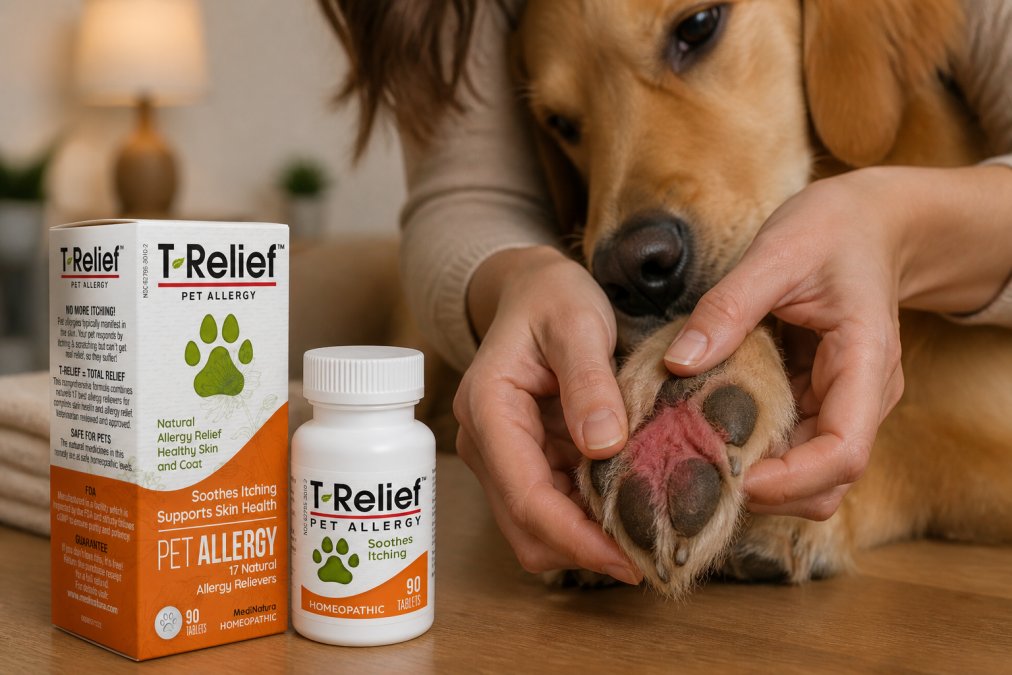
Chronic Pruritus and Skin Inflammation
Pruritus is intense, persistent itching, the hallmark sign of food-related allergic dermatitis. A dog with food allergy-driven pruritus will scratch, bite, lick, and rub against furniture in patterns that appear compulsive because the itch is relentless.
The most commonly affected areas include the face, groin, armpits, and the base of the tail. Chronic inflammation can lead to secondary bacterial or yeast infection when the skin barrier breaks down from repeated trauma. What starts as an itch becomes an open wound, then an infection.
Ear Infections and Paw Problems
Otitis externa (outer ear infection) is so commonly linked to food allergies that recurring ear infections without other obvious cause should prompt a dietary review. Dogs with food allergies often develop warm, red, waxy ears with a yeasty or foul odor.
Pododermatitis, or paw inflammation, is the other classic presentation. Watch for obsessive licking or chewing between the toes, often with rust-red or brown fur from saliva staining. This is a dog trying to manage localized pruritus, not a behavioral quirk.
Gastrointestinal Symptoms to Watch For
A meaningful portion of food-allergic dogs present primarily with gastrointestinal distress, frequently misdiagnosed as simple dietary sensitivity.
The gastrointestinal signs include:
- Vomiting that occurs regularly after meals
- Diarrhea that is chronic or recurrent, often soft or mucus-streaked
- Flatulence that is excessive
- Increased bowel movement frequency, sometimes three or more times per day
- Lethargy following meals
Some dogs show hyperactivity or restlessness after eating a trigger food, easily misread as excitement or behavioral problems.
According to the American Kennel Club's guidance on canine food allergies, gastrointestinal signs are present in a significant subset of food-allergic dogs, sometimes without any skin involvement.
Dog Food Intolerance vs Allergy: Key Differences
Food intolerance is a non-immunologic reaction to a dietary ingredient. The digestive system struggles to process a specific component, producing GI symptoms without triggering an immune response.
Food allergy is an immunologic response. The immune system identifies a food protein as a foreign allergen and attacks it, producing both GI and cutaneous manifestations.
| Feature | Food Allergy | Food Intolerance |
|---|---|---|
| Immune system involved | Yes | No |
| Skin symptoms common | Yes | Rarely |
| GI symptoms present | Often | Almost always |
| Develops over time | Yes (repeated exposure) | Can be immediate |
| Resolved by elimination diet | Yes | Yes |
| Requires immunologic diagnosis | Possible | Not applicable |
Both conditions respond to an elimination diet, which is why the dietary trial is the diagnostic tool of choice regardless of category. A dog can eat chicken for three years and then develop a genuine allergic response to it. Duration of exposure is not a defense.
Common Dog Food Allergens and What Triggers Them
The most frequently implicated allergens in dogs are proteins, not grains. This contradicts marketing narratives around "grain-free" diets, which often substitute one protein for another without addressing the actual trigger.
Common dog food allergens, roughly in order of frequency, include:
- Beef, the most commonly reported allergen
- Dairy products, particularly problematic for dogs with lactase insufficiency
- Chicken, widespread in commercial diets
- Wheat, a genuine allergen for some dogs
- Egg, often overlooked in "limited ingredient" formulas
- Soy, a common filler protein
- Lamb and fish, now common enough to trigger reactions in sensitized dogs
The term "novel protein" refers to a protein source the dog has never eaten before. As lamb and fish have become mainstream, their value as novel proteins has diminished.
Cornell University College of Veterinary Medicine's overview of food hypersensitivity in dogs notes that the protein fraction is the most likely allergen trigger, which is why hydrolyzed protein diets work by breaking proteins into fragments too small for the immune system to recognize.
How to Run a Dog Food Elimination Diet
The dog food elimination diet is the gold standard for diagnosing food allergies and intolerances. Serological testing and skin testing for food allergens have poor reliability in dogs. The dietary trial remains the most clinically valid diagnostic method, according to the Merck Veterinary Manual's guidance on food hypersensitivity.
Running it correctly takes discipline. Most owners give up too early or inadvertently contaminate the trial.
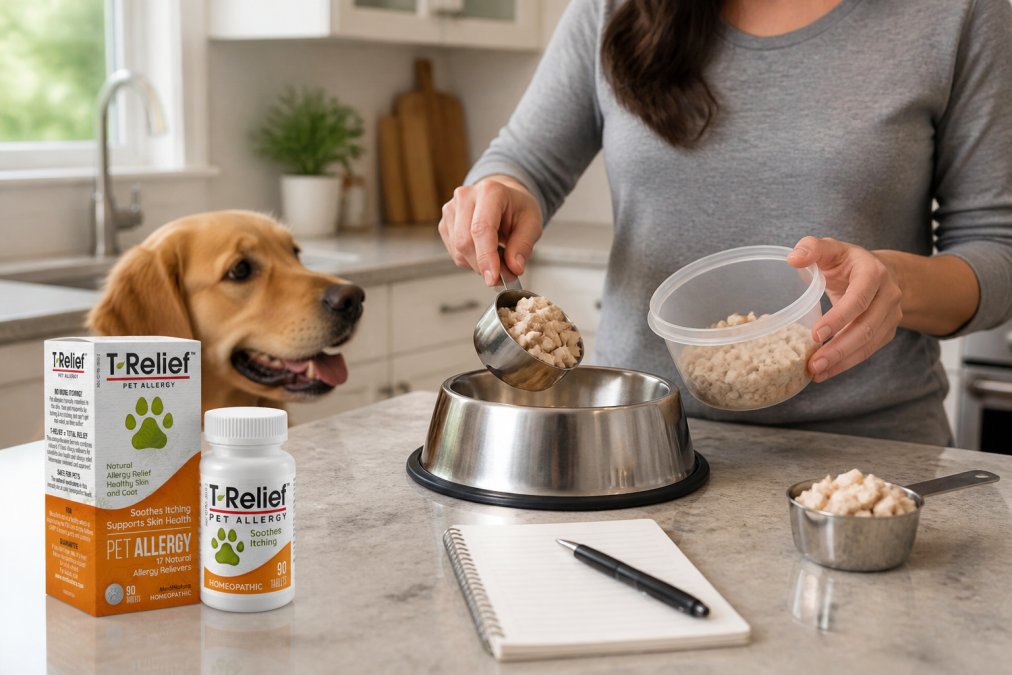
Step 1: Choose a Novel or Hydrolyzed Protein Source
Select a single protein source your dog has never eaten. Common choices include venison, rabbit, kangaroo, or duck. If your dog has eaten a wide variety of proteins, a hydrolyzed protein diet may be better.
The diet must contain only:
- The novel or hydrolyzed protein
- A single carbohydrate source (potato, sweet potato, or a novel grain)
- No flavored supplements, chews, treats, or flavored medications
A single flavored treat or chicken-flavored heartworm pill can invalidate weeks of dietary work.
Step 2: Commit to the Full Dietary Trial
A proper elimination diet requires a minimum of eight weeks, with twelve weeks recommended for dogs with primarily skin symptoms. Skin takes longer to respond than the gut.
During the trial:
- Feed only the elimination diet, no exceptions
- Track symptoms weekly using a simple scale (0-3 for itch severity, stool quality, ear condition)
- Avoid flavored toothpastes, dental chews, or supplements unless unflavored and approved by your vet
- Inform everyone in the household; a well-meaning family member slipping the dog a treat is the most common reason trials fail
Step 3: Reintroduce Ingredients Methodically
If symptoms improve during the trial, reintroduce one ingredient at a time, allowing two weeks per ingredient. Reintroduction confirms which specific ingredient was the allergen, allowing you to select commercial foods with confidence.
Environmental Allergy vs Food Allergy: How to Tell Them Apart
Environmental allergies and food allergies share many clinical signs, which is why they are frequently confused. The difference matters because management strategies diverge significantly.
The most reliable differentiating factor is seasonality. Environmental allergies tend to follow seasonal patterns or worsen in specific environments. Food allergies produce symptoms year-round with no seasonal variation.
| Factor | Food Allergy | Environmental Allergy |
|---|---|---|
| Seasonality | Year-round | Often seasonal |
| Responds to elimination diet | Yes | No |
| Responds to antihistamines | Rarely | Sometimes |
| Age of onset | Any age | Often under 3 years |
| Ear involvement | Common | Common |
| Paw licking | Common | Common |
Dogs can have both food and environmental allergies simultaneously. A dog that partially improves on an elimination diet but still shows some pruritus may have a secondary environmental component. This is not a failed trial but a more complex case requiring both dietary management and environmental allergy treatment.
Treatment, Management, and the Psychological Toll of Chronic Itching
Treating dog food allergies comes down to one principle: permanent avoidance of the identified allergen. There is no desensitization protocol for food allergies the way there is for environmental allergens.
For dogs in active flares, veterinarians may prescribe short-term medications to control inflammation and break the itch-scratch cycle. These are supportive measures, not solutions.
For ongoing nutritional support, the Shake Wag & Roll Daily Wellness Formula, a glandular-free multivitamin was specifically formulated for dogs with beef, pork, or organ meat sensitivities. It supports dogs on home-prepared or restricted diets without introducing common allergen proteins. For dogs showing skin-related allergy symptoms, the Pet Allergy Relief Tablets offer targeted support for itchy skin and hot spots while you work through the diagnostic process.


The psychological dimension of chronic itching is significant. Dogs experiencing chronic pruritus often develop behavioral changes: increased anxiety, sleep disruption, irritability, and reduced engagement with play. Owners report guilt, frustration, and financial strain from years of treating symptoms without addressing the root cause.
Quick Reference: Signs, Triggers, and Actions
| Symptom | Likely Involvement | First Action |
|---|---|---|
| Year-round itching and scratching | Food allergy | Begin elimination diet |
| Recurring ear infections | Food allergy or atopy | Rule out food trigger first |
| Paw licking, rust-colored fur | Pododermatitis from allergy | Dietary trial + vet consult |
| Chronic vomiting or diarrhea | Food allergy or intolerance | Elimination diet |
| Seasonal symptoms only | Environmental allergy | Allergy testing, not diet |
| Symptoms improve then return | Incomplete trial or dual allergy | Extend trial, recheck ingredients |
Managing dog food allergies is a long game. The elimination diet takes weeks, reintroduction takes more weeks, and permanent dietary management requires label-reading discipline for the life of the dog. But the outcome, a dog that is no longer scratching itself raw, is worth every careful step.
Chronic food allergies are one of the most frustrating conditions for dog owners to navigate, largely because the signs overlap with so many other issues and the diagnostic process demands real commitment. Shake Wag & Roll carries targeted support products for dogs going through this process, including the glandular-free Daily Wellness Formula for dogs on restricted diets and natural allergy relief tablets for dogs experiencing active skin symptoms. Sign up to access our full range of expert canine care resources and find the right support for your dog's specific needs.
Frequently Asked Questions
How long does it take for a dog to react to food allergens?
The timeline varies. Some dogs show signs of dog food allergies within hours of eating a trigger ingredient, particularly gastrointestinal symptoms like vomiting or diarrhea. Skin reactions such as pruritus, erythema, or otitis externa often develop more gradually, sometimes taking days or even weeks of repeated exposure before they become obvious. This delayed response is one reason food allergies are frequently mistaken for environmental causes.
What are the most common food allergies in dogs?
The most common dog food allergens are animal proteins, not grains. Beef, chicken, dairy, and eggs account for the majority of confirmed cases. Wheat and soy appear less frequently. Because most commercial dog foods use these proteins, identifying the specific trigger requires a structured elimination diet with a novel protein source the dog has never eaten before, such as venison, rabbit, or duck.
What is an elimination diet for dogs, and how long does it take?
A dog food elimination diet involves feeding your dog a single novel or hydrolyzed protein and carbohydrate source for 8 to 12 weeks, with zero other food, treats, or flavored supplements. If clinical signs improve, ingredients are reintroduced one at a time to identify the allergen. It is the most reliable diagnostic method available and is considered the gold standard over serological testing for food-specific reactions.
What is the difference between dog food intolerance and a true food allergy?
A true food allergy involves an immunologic response where the immune system mistakenly attacks a food protein, causing cutaneous manifestations like dermatitis, alopecia, and otitis externa alongside GI symptoms. Food intolerance does not involve the immune system; it produces gastrointestinal distress such as vomiting, diarrhea, or flatulence without skin involvement. Both require dietary management, but a true allergy typically produces more persistent and wide-ranging clinical signs.
This article was written using GrandRanker