

Organic Chews for Sensitive Stomachs: 6 Vet-Safe Picks

Table of Contents
- Why Regular Chews Trigger Digestive Upset in Dogs
- How We Picked These Organic Chews for Sensitive Stomachs
- Quick Comparison: Top Organic Chews for Sensitive Stomachs
- Farm to Pet Elk Antler Chews: Best Single-Protein Option
- Himalayan Yak Cheese Chews: Long-Lasting and Easy to Digest
- BetterBone SOFT: Plant-Based Relief for Teething and Senior Dogs
- Recognizing Signs of Food Sensitivity in Dogs Before You Switch
- Why Limited Ingredient Dog Treats Reduce Stomach Upset
- Frequently Asked Questions
Last Updated: September 7, 2026
When your dog has a sensitive stomach, every treat feels like a gamble. The culprit is often not chewing itself, but what the chew is made of: rawhide, artificial preservatives, and mystery proteins that trigger gastrointestinal distress. This guide from Shake Wag & Roll breaks down how to choose organic chews for sensitive stomachs and which vet-safe options actually hold up for dogs with digestive issues.
Why Regular Chews Trigger Digestive Upset in Dogs
The most common cause of stomach upset from chews is the ingredient list. Many conventional chews rely on rawhide, which is difficult to digest and can cause blockages, or they contain artificial preservatives and flavorings that irritate a sensitive gut. Dogs with gastrointestinal sensitivity often react to multiple protein sources, so a chew blending chicken, beef, and pork makes it nearly impossible for their system to process.
Beyond the base material, fat content plays a significant role. High-fat chews can trigger digestive distress even in dogs without known food intolerance. Chews that are low-fat and low-calorie, like antler sheds, put far less strain on the digestive system while still satisfying the urge to chew.
The Protein Problem: Why Single-Protein Matters
The canine digestive tract is designed to break down one type of protein at a time. When a chew contains a blend of beef, chicken, and lamb, the stomach must produce a wider array of enzymes simultaneously, often overwhelming the digestive process and leading to undigested protein reaching the colon, where bacteria ferment it, producing gas and loose stool. This is why veterinary nutritionists recommend a single-protein chew.
The Additive and Preservative Factor
Artificial preservatives like BHA, BHT, and ethoxyquin are common in mass-market chews (the FDA). While approved for use in pet food, these compounds can cause oxidative stress in some dogs, manifesting as gastrointestinal inflammation. Artificial colors and flavors, often derived from corn or soy, are common hidden triggers.
The Fat and Calorie Trap
Chews marketed as "premium" often have a high fat content to enhance palatability. For dogs with a history of pancreatitis or gallbladder issues, even a single high-fat chew can cause vomiting and abdominal pain within 12 hours. Low-fat chews, such as antler sheds or plant-based options, bypass this entirely. Look for a fat content below 10% on a dry matter basis.
The Role of Fiber and Digestive Enzymes
A less obvious trigger is the absence of fiber. Many chews are pure protein or fat with no fiber to support motility. Dogs with sensitive stomachs often benefit from chews that include a small amount of prebiotic fiber, such as inulin or pumpkin powder, which feeds beneficial gut bacteria. Chews with no fiber can slow transit time, increasing nausea.
The Hidden Trigger: Glycerin and Humectants
Many soft chews rely on glycerin to maintain a pliable texture. Glycerin can be derived from vegetable sources (safe) or from animal fats of unknown origin (potentially problematic), and U.S. labeling laws do not require manufacturers to specify the source. For a dog with a beef or pork allergy, glycerin derived from those animals can trigger a reaction even if the primary protein source is safe. Look for products that explicitly state "vegetable glycerin."
The Cumulative Effect of Treats
Finally, consider the cumulative load. A dog may tolerate a single chew, but when combined with regular food and training treats, total protein and fat intake can exceed their digestive threshold. Most veterinary nutritionists recommend treats, including chews, make up no more than 10% of a dog's daily caloric intake.
How We Picked These Organic Chews for Sensitive Stomachs
Our selection criteria centered on four factors: protein digestibility, ingredient transparency, chew durability, and the absence of common allergens. We prioritized organic chews made from a single-protein source, eliminating any product containing rawhide, artificial preservatives, or glycerin from questionable sources.
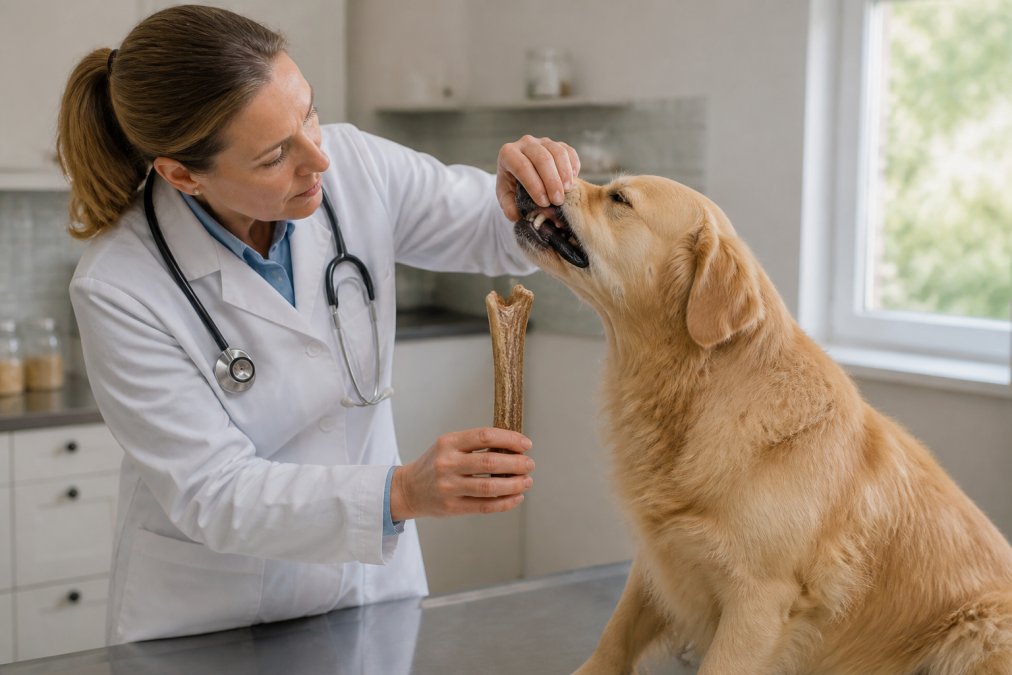
Each pick below was evaluated for how well it supports the gut microbiome and whether its nutrient profile aligns with a limited ingredient diet.

Quick Comparison: Top Organic Chews for Sensitive Stomachs
The table below summarizes our top picks across the criteria that matter most for dogs with sensitive stomachs.
| Chew | Protein Source | Best For | Key Digestive Benefit | Starting Price |
|---|---|---|---|---|
| Elk Antler Chews | Single (Elk) | Aggressive chewers | Non-allergenic, low-fat | $14.95 |
| Himalayan Yak Cheese | Single (Cow/Yak) | All ages | Easy to digest, prebiotic | $2.99 |
| BetterBone SOFT | Plant-based | Puppies & seniors | Hypoallergenic, gentle | $12.49 |
| Deer Antler Chews | Single (Deer) | Power chewers 35+ lbs | Mineral-rich marrow | $18.95 |
Farm to Pet Elk Antler Chews: Best Single-Protein Option
For most dogs with sensitive stomachs, the Farm to Pet Elk Antler Chews are the safest starting point. These organic chews are hand-gathered in Wyoming and offer a single-protein source that is naturally non-allergenic, odorless, and mess-free. Elk antler sheds contain only the antler itself, rich in calcium, phosphorus, and glucosamine to support bone and joint health.

Elk antlers are naturally splinter-resistant, meaning your dog swallows small, digestible fragments rather than sharp shards. They are also low-fat and low-calorie, reducing strain on a sensitive digestive system. For aggressive chewers, the whole antler provides a long-lasting challenge; for gentler chewers, the split version exposes the marrow for easier access.
Himalayan Yak Cheese Chews: Long-Lasting and Easy to Digest
Himalayan Yak Cheese Chews offer a different approach to digestive health: they are made from hardened cow and yak milk cheese, which is naturally easy to digest for most dogs. These organic chews are lactose-free after the aging process, making them suitable even for dogs with food sensitivity to fresh dairy.
A standout feature is the dual-use design: when the chew wears down to a small piece, you microwave it for 45-60 seconds, and it puffs up into a crunchy treat. This prevents choking hazards while giving your dog a second snack.
BetterBone SOFT: Plant-Based Relief for Teething and Senior Dogs
Many dogs with sensitive stomachs react to animal proteins entirely. For those cases, BetterBone SOFT offers a plant-based alternative that is 40% softer than nylon, ideal for teething puppies, senior dogs, and gentle chewers. Crafted from cellulose and plant-based polymers, it contains no rawhide, nylon, or PVC and is hypoallergenic by design.

This chew is not meant to last as long as antlers or yak cheese, a deliberate trade-off: the softer texture prioritizes tooth integrity and easy digestion over durability. It is a chew toy, not a meal replacement, so supervision is still required to ensure small flakes are not ingested in excess.
Recognizing Signs of Food Sensitivity in Dogs Before You Switch
Before introducing any new organic chew, know what digestive distress looks like. Common signs include loose stool, excessive gas, vomiting within hours of eating, and a sudden loss of appetite. Skin reactions, such as itching or red paws, can also indicate a food intolerance. If you notice any of these symptoms, remove the chew immediately and return to a bland diet for 24-48 hours.
Transitioning to a new chew should always be gradual. Introduce a small piece once and monitor your dog for 24 hours before offering more. This is the safest way to distinguish a genuine sensitivity from the normal adjustment period. The American Kennel Club's guidance on dog nutrition emphasizes that sudden dietary changes are a leading cause of temporary stomach upset, so patience during the switch pays off.
The 72-Hour Observation Protocol
A single 24-hour window is often not enough to catch a delayed food reaction. A more reliable protocol is the 72-hour observation period. Day one: offer a small piece of the new chew (no larger than a thumbnail for a medium dog). Day two: monitor stool consistency, energy level, and signs of abdominal discomfort. Day three: check for skin reactions, red ears, paw licking, or facial swelling. Some protein sensitivities take up to 72 hours to manifest as skin symptoms. If all three days pass without incident, the chew is likely safe. If any symptom appears, stop the chew and log the date, protein source, and symptom.
The Elimination and Reintroduction Method
If your dog has chronic digestive issues and you are unsure which proteins are safe, use a structured elimination method. Step one: for two weeks, feed only the dog's current limited-ingredient base diet and no chews or treats at all. This resets the gut and establishes a baseline. Step two: introduce a single-protein chew (for example, elk antler) and follow the 72-hour protocol. Step three: if no reaction occurs, keep that chew in rotation and introduce a second single-protein option (for example, yak cheese) after a 5-day washout period.
Allergy-Specific Chew Selection Matrix
To make this practical, here is a quick reference for matching your dog's known or suspected allergies to safe chew categories. This is not an exhaustive list, but it reflects the most common canine protein allergies seen in U.S. veterinary clinics.
| Known or Suspected Allergen | Safe Chew Categories | Chews to Avoid | Why This Works |
|---|---|---|---|
| Beef | Elk antler, deer antler, plant-based chews | Yak cheese (often cow-based), beef hide, beef tendon | Elk and deer are cervid proteins, structurally distinct from bovine proteins; most beef-sensitive dogs tolerate them |
| Chicken | Fish-based chews, plant-based chews, yak cheese | Chicken jerky, chicken feet, any chew with "poultry" on the label | Poultry proteins are a common trigger; switching to a non-avian protein eliminates cross-reactivity |
| Grain (corn, wheat, soy) | Single-ingredient animal chews (antler, yak cheese), vegetable-based chews | Soft chews with grain fillers, rawhide with grain binders | Grain is often used as a binder in processed chews; single-ingredient chews have no grain at all |
| Dairy (lactose) | Elk antler, deer antler, plant-based chews | Yak cheese (even aged, some dogs react to milk proteins) | While yak cheese is low-lactose, it still contains milk proteins (casein and whey) that can trigger a true dairy allergy |
When to Consult a Veterinarian
If your dog shows any of the following, do not attempt home elimination, consult a veterinarian first: blood in the stool, vomiting more than twice in 24 hours, signs of abdominal pain (tensing when touched), or weight loss over a week. These can indicate conditions beyond simple food sensitivity, such as inflammatory bowel disease, pancreatitis, or an intestinal obstruction. A veterinarian can perform a food trial with a prescription hydrolyzed protein diet, which breaks proteins into fragments too small to trigger an immune response.
Why Limited Ingredient Dog Treats Reduce Stomach Upset
Limited ingredient dog treats work on a simple principle: fewer ingredients mean fewer potential triggers. When a chew contains a single protein source and a short list of recognizable additives, your dog's digestive system has less to break down and fewer compounds that could provoke a reaction.
The science comes down to protein digestibility. Highly digestible proteins, such as those found in elk or yak milk, are broken down efficiently in the small intestine, allowing for better nutrient absorption. In contrast, chews loaded with grain fillers, artificial colors, and multiple fat sources slow digestion and can ferment in the gut, producing gas and discomfort. A chew that supports the gut microbiome with prebiotic fiber or digestive enzymes gives sensitive dogs the best chance at comfortable chewing. As noted in veterinary guidance on canine dietary management, managing food intolerance is less about eliminating all treats and more about choosing treats with a predictable, digestible ingredient profile.
Choosing the right chew for a dog with a sensitive stomach comes down to reading labels and knowing your dog's specific triggers. Single-protein chews like elk antlers, easy-to-digest yak cheese, and hypoallergenic plant-based options give you a safe starting point, but the transition must be gradual and supervised. Shake Wag & Roll stocks these vet-safe picks alongside gut health supplements and limited ingredient diets.
Frequently Asked Questions
Are organic chews easier for dogs to digest?
Often, yes. Organic chews typically avoid artificial preservatives, colors, and chemical treatments that can irritate a sensitive stomach. Look for options with a single-protein source, like elk antler or yak cheese, and no rawhide. These natural proteins are highly digestible for most dogs. Still, every dog is different, so introduce any new chew slowly and watch for signs of gastrointestinal distress like vomiting or loose stool.
What chews are best for dogs with sensitive stomachs?
The best chews for sensitive stomachs are limited ingredient dog treats with minimal, recognizable components. Antler chews from elk or deer are naturally low in fat and contain no artificial additives, making them a safe choice. Himalayan yak cheese chews are also easy to digest because the milk proteins are broken down during the hardening process. Avoid rawhide, artificial flavors, and chews with high fat content, as these are common triggers for digestive upset.
How do I know if a chew is causing my dog's stomach upset?
Monitor your dog for 24 to 48 hours after introducing a new chew. Common signs of food sensitivity in dogs include loose stool, vomiting, excessive gas, and a loss of appetite. You may also notice your dog licking their lips more often or showing a reluctance to eat. If these symptoms appear, remove the chew immediately and return to a bland diet until things settle. Contact your vet if symptoms persist for more than a day.
How to transition dog treats from their current brand to a new one?
The safest approach is a slow transition over 7 to 10 days. Start by offering the new chew for just 5 to 10 minutes under supervision while keeping their regular treats available. Gradually increase the time with the new chew while decreasing the old one. This gives your dog's gut microbiome time to adjust to the new protein source. If you see signs of digestive distress, slow the transition down even further.